Stock Code: 831045
Industrial Automation & Intelligence Solutions
SUMMERY: Choosing the right partner for welding automation is not about buying robots.It’s about robotics integration—how machines, software, tooling, and production logic are combined into a system that actually works on your shop floor. Many m...
Choosing the right partner for welding automation is not about buying robots.It’s about robotics integration—how machines, software, tooling, and production logic are combined into a system that actually works on your shop floor.
Many manufacturers discover this too late: the robot moves beautifully, but the weld quality is unstable; cycle time looks good on paper, but downtime kills output. That’s where the real difference between a robot supplier and a robotic welding system integrator becomes obvious.
This article breaks down how to evaluate welding automation partners from a technical, practical perspective—without the usual marketing noise.
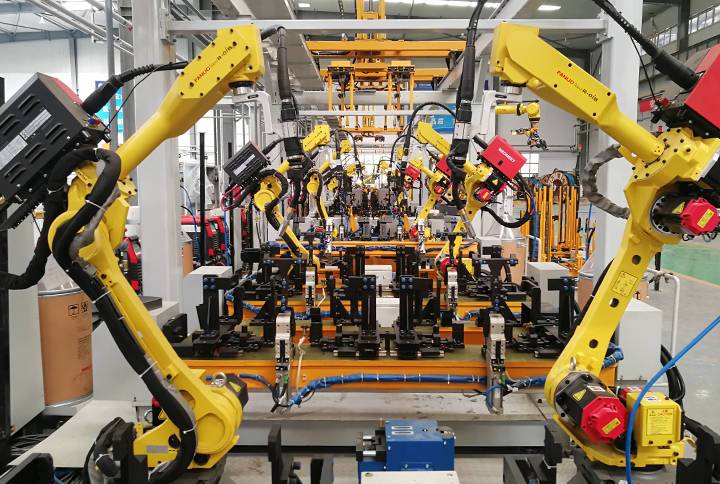
A robot is only one component of a welding line.
Robotics integration is the ability to connect:
Robot motion planning
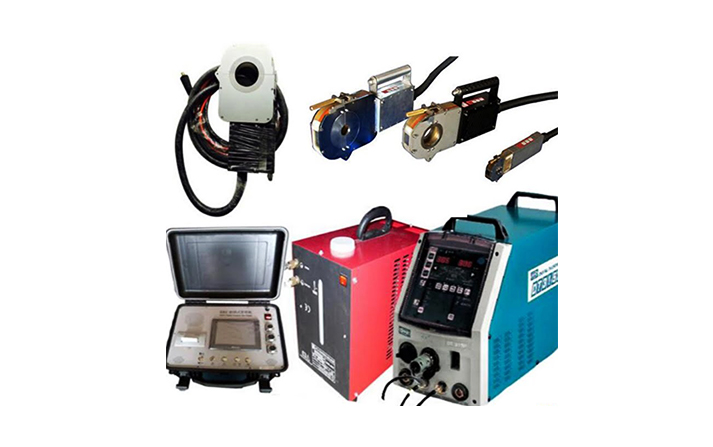
Welding power source behavior
Positioners, gantries, and tracks
Sensors, seam tracking, and adaptive control
Fixtures, tolerances, and real-world part variation
A capable robotic welding system integrator understands how these elements interact under production conditions—not in a demo cell, but during 10-hour shifts, six days a week.
If a partner only talks about robot brands and payloads, you are talking to a reseller, not an integrator.
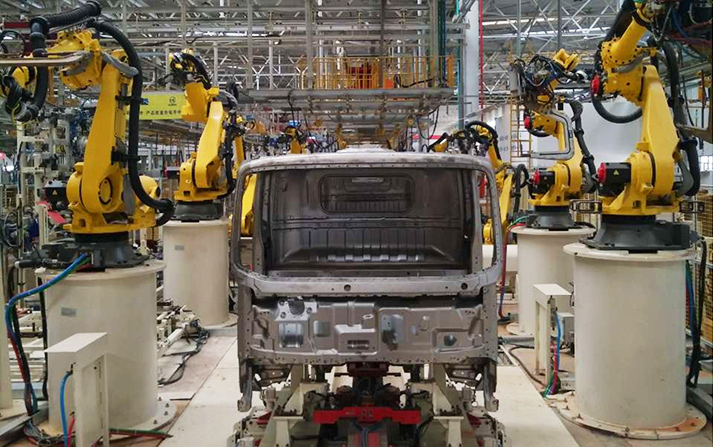
A real automated welding system integrator starts with process questions, not equipment lists.
They will ask:
What joint types fail most often today?
Where does distortion appear after welding?
How consistent are incoming parts?
Is penetration or appearance the real priority?
Strong automated welding integrators design around these answers.
They adjust torch angles, travel paths, heat input, and part positioning before choosing robot models.
This process-first mindset is what defines professional welding system integrators.
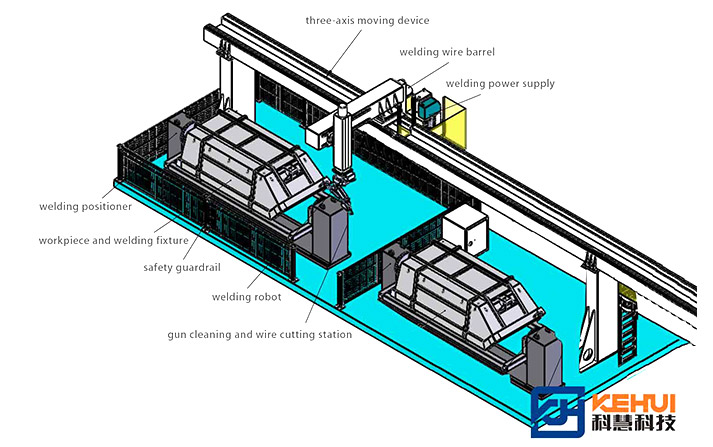
Hardware gets attention. Software decides performance.
An experienced robotic welding system integrator will offer:
Weld parameter libraries linked to part numbers
Adaptive seam tracking for inconsistent joints
Automated weld control solution logic for heat and penetration
Error recovery routines that reduce downtime
These details separate “robotic assembly systems that look automated” from systems that run unattended.
If your partner cannot explain how their control strategy handles variation, alarms, and restart logic, they are not ready for real production.
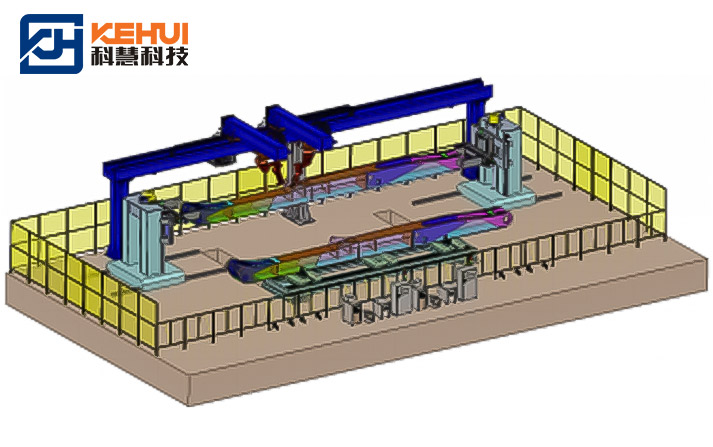
Good robotics integration works for both:
Single robotic welding workstations
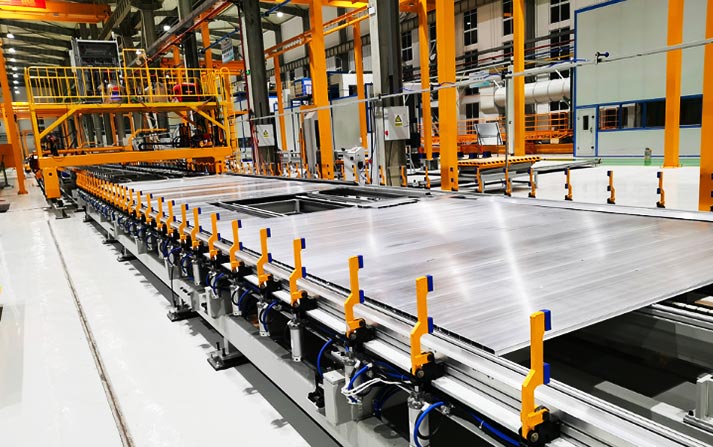
Fully automated welding lines with logistics and handling
A capable automated welding systems integrator can scale solutions:
From one cell to multiple synchronized stations
From manual loading to automated infeed and outfeed
From fixed jigs to flexible fixtures for mixed production
This flexibility is critical for manufacturers planning long-term automation, not one-off projects.
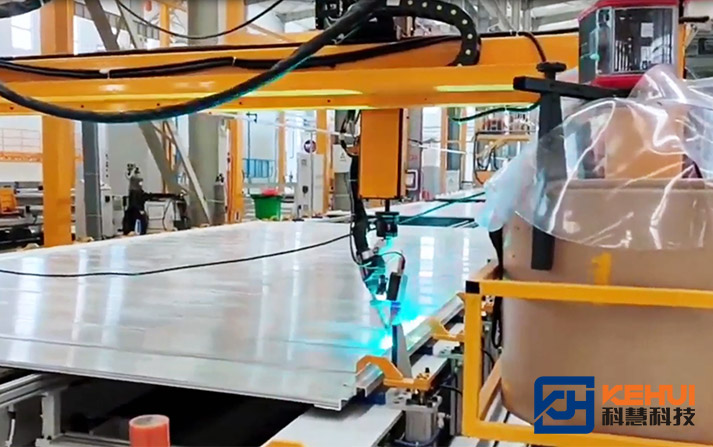
Not all welding automation is the same.
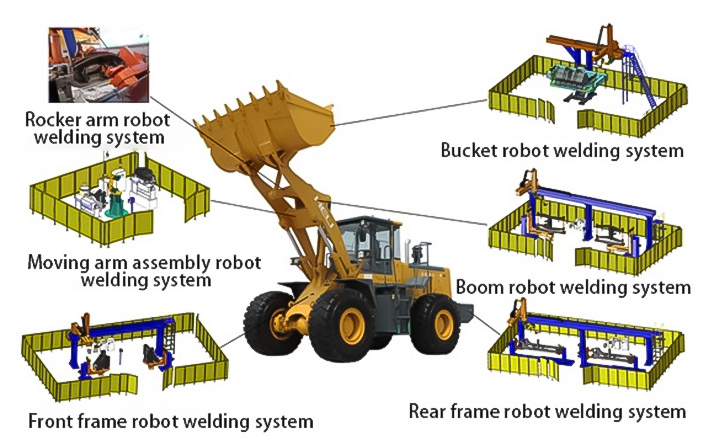
Heavy equipment frames, automotive components, pressure vessels, and structural parts each require different integration logic.
That’s why choosing among automated welding integrators should include reviewing real industry cases, not just brochures.
An experienced robotic welding system integrator understands:
Distortion control in thick materials
Long weld seam stability
Multi-position welding challenges
Harsh shop-floor environments
These lessons only come from years of implementation—not simulation.
True robotics integration does not end when the system ships.
Professional welding system integrators provide:
On-site installation and commissioning
Process tuning on real production parts
Operator and maintenance training
Long-term optimization support
Without this, even the best-designed system will underperform.
An automated welding system integrator should be prepared to stand next to your line, adjust parameters, and solve problems under real production pressure.
The best automated welding systems integrator thinks like a factory manager:
How fast can this line recover from a fault?
How easy is it to switch products?
Can operators understand it without engineers present?
What happens after three years of continuous use?
This mindset defines reliable robotic assembly systems—systems designed to last, not just impress during acceptance tests.
We are not new to welding automation.
Since 1994, we have worked exclusively on robotics integration for welding, delivering robotic welding workstations and complete automated production lines to manufacturers worldwide.
What makes us different as an automated welding systems integrator:
Nearly three decades of welding-focused integration experience
Proven projects across construction machinery, automotive, heavy equipment, and structural fabrication
In-house process engineers who understand welding, not just robotics
Custom fixtures, positioners, and control logic designed for real parts
Engineers available for on-site installation and commissioning, anywhere our systems run
We don’t sell robots.We deliver working welding systems—built to run every day, under real conditions, with real operators.
If you are evaluating robotic welding system integrators and want a partner who understands both welding physics and production reality, we’re ready to talk.
 TAG:
TAG: