Stock Code: 831045
Industrial Automation & Intelligence Solutions
SUMMERY: In welding automation projects, many manufacturers focus first on robot brands, payloads, or axis counts. But in real production environments, success or failure is usually decided much earlier—at the choice of robotics integrators. A ro...
In welding automation projects, many manufacturers focus first on robot brands, payloads, or axis counts. But in real production environments, success or failure is usually decided much earlier—at the choice of robotics integrators. A robot alone does not create productivity; robot system integration does.
This article looks at welding automation from a system-level perspective and explains what truly distinguishes a capable robotic system integrator from a simple equipment supplier.
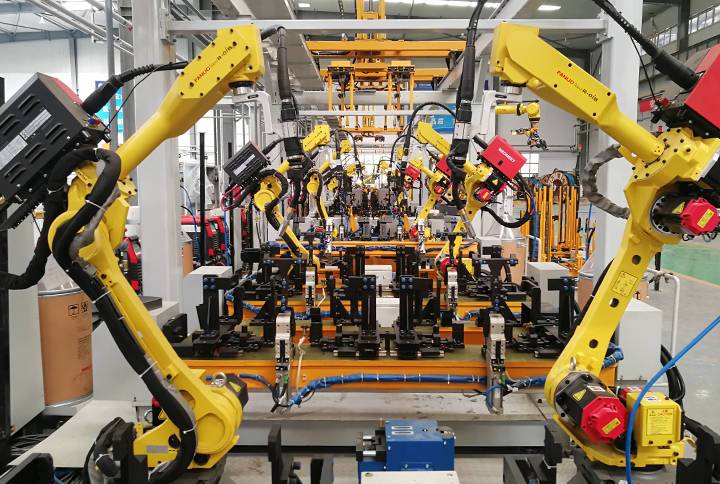
A common misunderstanding is to treat robotics integrators as robot resellers. In welding applications, that assumption leads to costly mistakes.
Professional robotics integrators design complete production systems, not isolated machines. Their responsibility covers:
welding process selection and validation
fixture and positioner design
safety architecture
software logic and communication
long-term stability of the welding process
In other words, robot system integration is about making robots, welding power sources, tooling, sensors, and production rhythm work as a single, reliable unit.
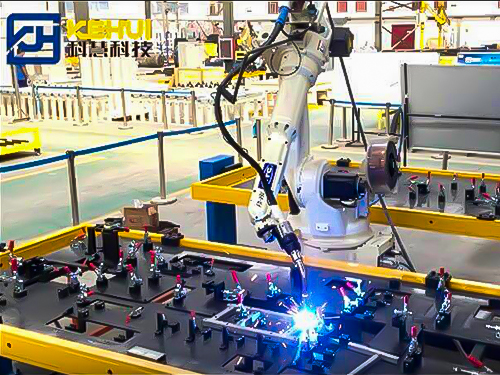
Welding is one of the most demanding automation processes. Heat input, joint variation, spatter, distortion, and cycle-time pressure all interact in complex ways.
That is why welding projects require custom robot system integration, not off-the-shelf automation cells. A qualified robotic system integrator must understand:
arc or laser process behavior
seam tracking and adaptive control
multi-axis coordination with positioners
distortion compensation strategies
Without strong robot system integration, even premium robots struggle to deliver consistent weld quality.
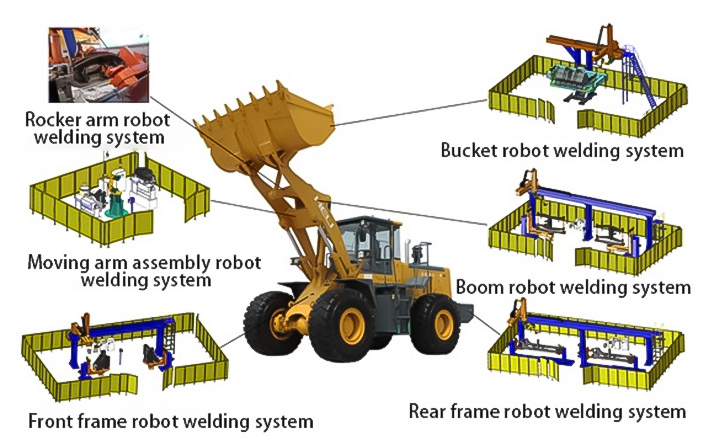
No two welding products are exactly the same. Differences in material thickness, joint type, or takt time immediately affect system design.
This is where custom robot system integration becomes critical. Instead of forcing products to fit a standard cell, experienced robotics integrators:
design fixtures around real part tolerances
match robot reach and motion to weld sequence
balance cycle time across stations
integrate sensing only where it adds value
The result is not just automation, but usable, stable automation.
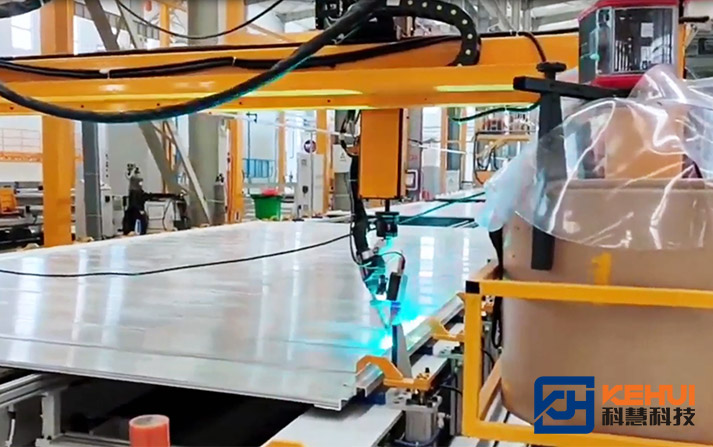
Some manufacturers consider building systems internally. While this can work for simple tasks, welding automation quickly exposes the limits of in-house resources.
A professional robotic system integrator brings:
cross-industry welding experience
proven software structures
faster commissioning timelines
lower long-term risk
This is why many global manufacturers rely on external robotics integrators even when they have strong internal engineering teams.
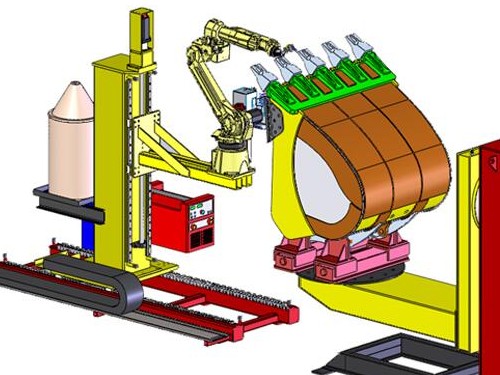
Not all integrators are equal. When evaluating a partner for welding automation, focus on practical capability rather than marketing claims.
Key indicators include:
experience with similar welding applications
ability to deliver custom robot system integration, not catalog solutions
clear understanding of weld quality control
on-site installation and commissioning support
A reliable robotic system integrator should be able to explain why a system is designed a certain way—not just what equipment is included.
Robot brands change. Welding requirements evolve. But strong robot system integration principles remain constant.
The best robotics integrators are brand-agnostic. They select robots, power sources, and sensors based on process needs, not brand preference. This flexibility is essential for long-term system performance and scalability.
As an experienced welding automation provider founded in 1994, we specialize in custom robot system integration for manufacturers across multiple industries. We design and deliver complete robotic welding workstations and production lines, not just individual cells.
Our engineers work directly on-site during installation and commissioning, ensuring that every robotic system performs reliably under real production conditions. With projects delivered to multiple countries, we understand how to balance advanced automation with practical manufacturing realities.
 TAG:
TAG: