Stock Code: 831045
Industrial Automation & Intelligence Solutions
SUMMERY: You'd think after 31 years of building pipeline welding equipment, we'd have a simple answer to this question. We don't. Not because we haven't figured it out. Because the pipeline that's running through West Texas isn't the same a...
You’d think after 31 years of building pipeline welding equipment, we’d have a simple answer to this question.
We don’t.
Not because we haven’t figured it out. Because the pipeline that’s running through West Texas isn’t the same as the one running through the North Sea, which isn’t the same as the one being laid in the desert at 45°C with a crew that’s been in the field for six weeks straight.
The best welder for pipeline welding isn’t a model number. It’s a match between what the machine can do and what the ground crew can survive.
Here’s what we’ve learned from watching our equipment run in over fifty countries since 1994—and why the pipeliner welding machine that wins in one situation can lose badly in another.
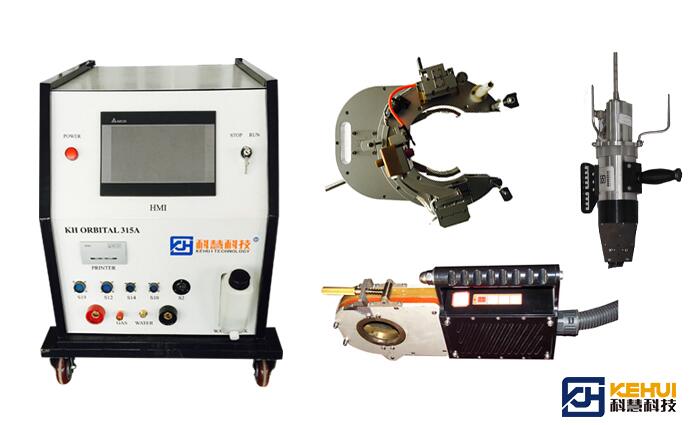
Most people looking for pipeline welding equipment start with amperage or duty cycle. Those matter. But the first question should be: are you welding from the outside or the inside?
The difference changes everything about what you need.
For mainline construction where you have access to the internal clamp, your pipeline welding equipment needs to handle root pass with internal backup. That’s a different machine than the one doing tie-ins where you’re welding from the outside only.
We’ve watched contractors buy the wrong automatic pipeline welding machine because they assumed “pipeline” meant one thing. Then they’re stuck with a system that can’t reach the joint they need to weld.
The pipeliner welding machine that works for the spread might be useless for the river crossing. We know because we’ve shipped replacement heads to jobsites where the main unit couldn’t handle the configuration change.
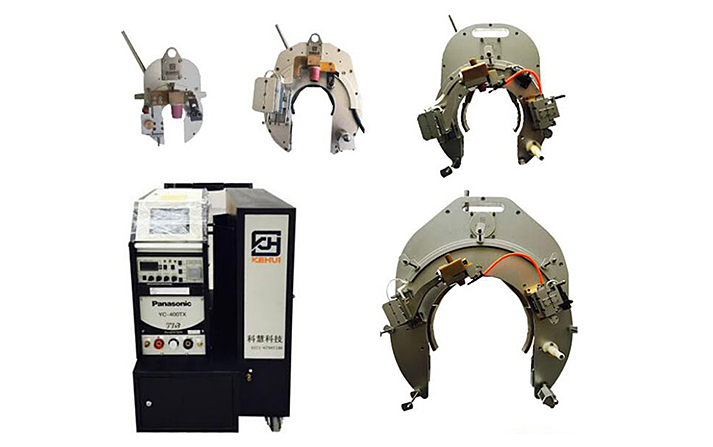
Here’s something the glossy brochures don’t show: the best welder for pipeline welding in a fab shop with climate control and overhead cranes is rarely the best one for a right-of-way with no cell signal and a generator that fluctuates.
We learned this from a client in South America who bought our automatic pipeline welding machine after running competitor equipment for years. Their feedback surprised us. They didn’t praise the arc stability first—though that’s what we’d engineered for. They praised the fact that when a sensor failed, our machine told them exactly which one and kept running in manual mode until the replacement arrived three weeks later.
That’s pipeline welding equipment. It’s not about what happens when everything works. It’s about what happens when something breaks.
The pipeliner welding machine that shuts down completely over a minor fault isn’t the best one for pipeline. It’s the best one for a factory floor where parts are twenty minutes away.
We’ve written before about how sulfur content changes stainless welds. For pipeline, the problem is different.
Carbon steel for pipelines isn’t all the same. The API 5L X65 from one mill behaves differently than the X65 from another mill 500 miles away. The chemistry specs allow ranges that can push your pipeline welding equipment right to the edge of its operating window.
We had a client running our automatic pipeline welding machine on X70 material that had been fine for months. Then a new pipe shipment arrived. Same grade. Same certs. Different mill. Suddenly they were getting porosity in the cap pass that hadn’t existed before.
The problem wasn’t the best welder for pipeline welding. It was the mill’s lubricant residue that hadn’t been cleaned properly before delivery—something the pipeliner welding machine couldn’t see but certainly felt.
We now send a material sampling protocol with every machine destined for pipeline work. Not because we’re trying to be helpful. Because we’ve seen too many good machines blamed for bad steel.
Here’s a calculation most people miss.
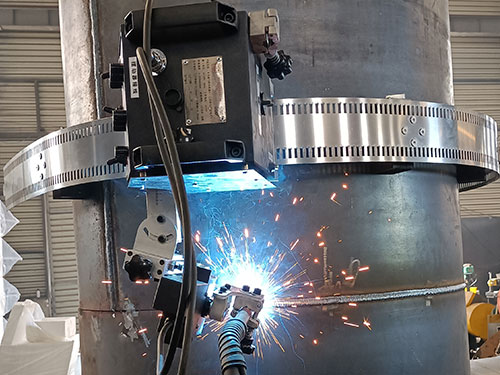
Your pipeline welding equipment can handle 48-inch pipe. Great. But can your crew handle flipping the welding head around that circumference without strain injuries by week three?
We watched a crew in the Middle East burn through operators on a 56-inch project because the automatic pipeline welding machine was heavy enough to require two men for repositioning. The machine worked fine. The operators didn’t.
The best welder for pipeline welding for 24-inch pipe might be the wrong choice for 48-inch, even if the specs say it covers both ranges. The weight, the balance, the ergonomics—those matter more on day 30 than they do on day one.
Our pipeliner welding machine designs have gotten lighter over the years not because we couldn’t build them heavier, but because we’ve watched what fatigue does to weld quality by the end of a long shift.
We started this company in 1994. Back then, if you bought pipeline welding equipment from us, we sent a manual and hoped you read it.
We lost customers that way.
Now we don’t ship an automatic pipeline welding machine anywhere without making sure someone from our side shows someone on your side exactly how to make it weld in your conditions. Over fifty countries later, that’s still how we operate.
A client in Southeast Asia needed to weld in monsoon conditions—humidity that would shut down most electronics. We sent an engineer who’d dealt with that before. He spent two weeks on site, not just training but modifying procedures for the weather. The machine ran fine. The crew learned how to keep it running.
That’s pipeline welding equipment. It’s the machine plus the knowledge of how to use it when everything’s trying to make you fail.
The best welder for pipeline welding is the one where someone answers the phone at 2 AM your time when the head stops communicating. We answer our own phones. Not a call center. Not a ticket system. A person who’s been doing this since before some of your welders were born.
If you’re shopping for pipeline welding equipment, here are the questions that matter more than “what’s the best welder for pipeline welding”:
What happens when the pipe is out of round by more than the spec allows?** Because it will be. Pipeline welding equipment that can’t handle real-world fit-up will cost you more in rework than you saved on the purchase price.
Can you qualify a procedure on my actual pipe with my actual welders?** Not on your sample coupons in a climate-controlled facility. On the material that’s been sitting in the yard for three weeks, with the crew that’s going to run the job.
Where else is this automatic pipeline welding machine running in conditions like mine?** We can give you references in over fifty countries. Talk to them about what happened after the first year, not just the first week.
How long have you been building these?** 1994. That’s 31 years of watching what works and what doesn’t when the pipeline runs through jungle, desert, mountains, and frozen tundra.
Your automatic pipeline welding machine price is what you pay once. Your cost per joint is what you pay forever.
We’ve watched contractors buy cheaper pipeliner welding machine options and celebrate the savings—until the rejection reports started coming in. The machine that runs at 92% first-pass acceptance isn’t cheaper than the one that runs at 98%. The rework math always catches up.
We built our first pipeline welding equipment in 1994. We’ve been refining it ever since. Not because we’re perfectionists—because we’ve seen what happens when the welds fail and the machine isn’t there to blame.
If you want to know what the best welder for pipeline welding is for your specific job, call us. Tell us where you’re working, what you’re welding, and who’s doing the welding. That conversation doesn’t cost anything.
And if we’re not the right fit, we’ll tell you that too. We’ve been doing this long enough to know when someone else’s equipment makes more sense for your situation.
 TAG:
TAG: