Stock Code: 831045
Industrial Automation & Intelligence Solutions
SUMMERY: 1. Challenges of Tube to Tubesheet Welding in Power Plants Power generation equipment places extreme demands on welded joints. Tube to tubesheet connections must withstand pressure fluctuations, thermal expansion, and long-term vibratio...
Power generation equipment places extreme demands on welded joints. Tube to tubesheet connections must withstand pressure fluctuations, thermal expansion, and long-term vibration. Automatic Tube to Tubesheet Welding addresses these challenges by eliminating operator-dependent variables.
Compared to manual methods, Automatic Tube to Tubesheet Welding ensures uniform penetration depth and consistent fusion across all joints, which is essential for critical power plant components.
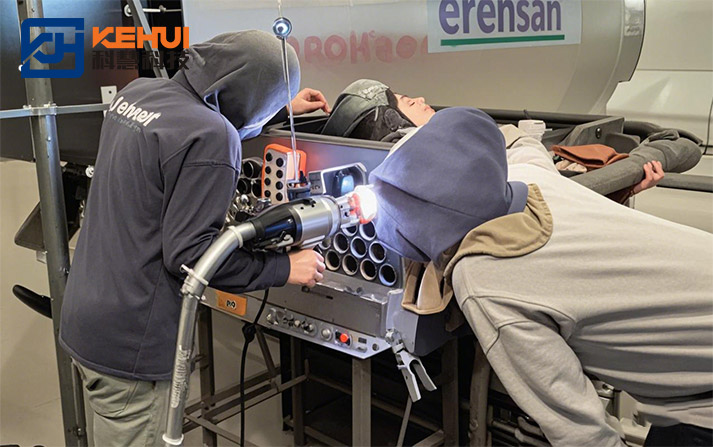
Orbital welding tube to tubesheet allows precise control of welding current, rotation speed, and arc stability throughout the entire weld cycle. This is especially beneficial when working with thick tube sheets or dissimilar materials.
With orbital welding tube to tubesheet, weld quality becomes predictable and repeatable, even in long production runs typical of power plant projects.
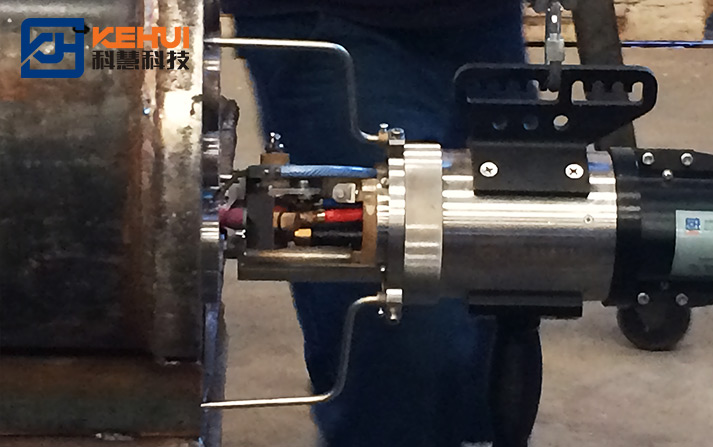
When choosing a tube to tubesheet welding machine, power equipment manufacturers should consider:
Tube diameter and tube sheet thickness range
Requirement for seal weld or strength weld
Automation level and parameter repeatability
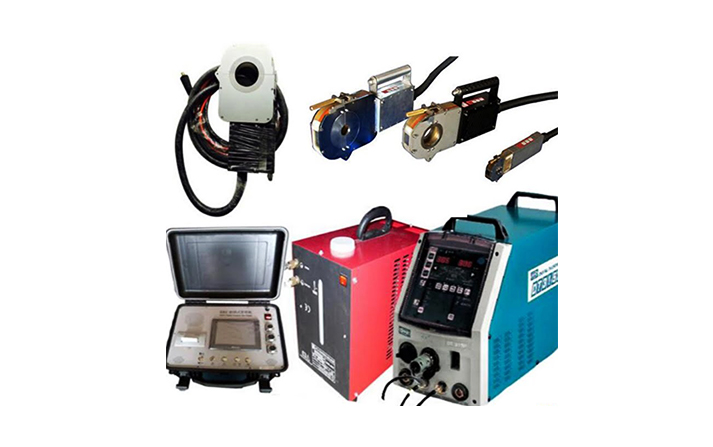
A dedicated orbital welding machine for tube to tubesheet welding offers higher precision than general-purpose welding systems and is better suited for critical pressure equipment.
A tube to tubesheet orbital welding machine is commonly used in:
Superheater and economizer assemblies
Power plant condensers
High-temperature heat recovery units
Through Automatic Tube to Tubesheet Welding, manufacturers can significantly improve joint consistency, reduce inspection failures, and enhance overall equipment reliability.
 TAG:
TAG: