Stock Code: 831045
Industrial Automation & Intelligence Solutions
SUMMERY: 1. Importance of Tube Sheet Welding in Heat Exchanger Performance In shell and tube heat exchangers, tube sheet welding plays a decisive role in sealing performance and mechanical strength. A well-designed heat exchanger tube sheet ensu...
In shell and tube heat exchangers, tube sheet welding plays a decisive role in sealing performance and mechanical strength. A well-designed heat exchanger tube sheet ensures reliable separation of process fluids and maintains structural stability under cyclic thermal loads.
Failures at the tube to tubesheet joint are among the most common causes of exchanger downtime, highlighting the importance of advanced welding practices.
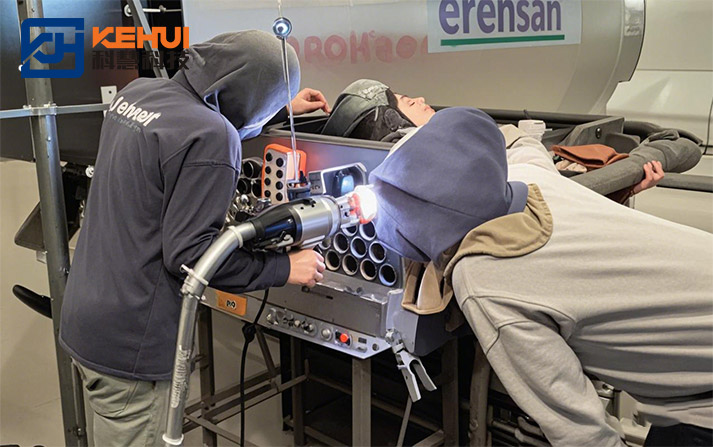
2.1 Joint Geometry and Load Transfer
The tube to tube sheet joint must accommodate axial loads, vibration, and thermal expansion. Proper bore tolerances and tube projection length are essential for consistent weld formation.
2.2 Expanded Tube to Tubesheet Joint with Welding
An expanded tube to tubesheet joint combined with seal or strength welding offers both mechanical anchoring and leak prevention. This hybrid approach is widely used in high-reliability heat exchanger designs.
2.3 Tube to Tubesheet Expansion Joint for Thermal Stress Relief
A tube to tubesheet expansion joint is especially effective in applications with frequent temperature cycling. It reduces stress concentration and enhances fatigue life at the joint interface.
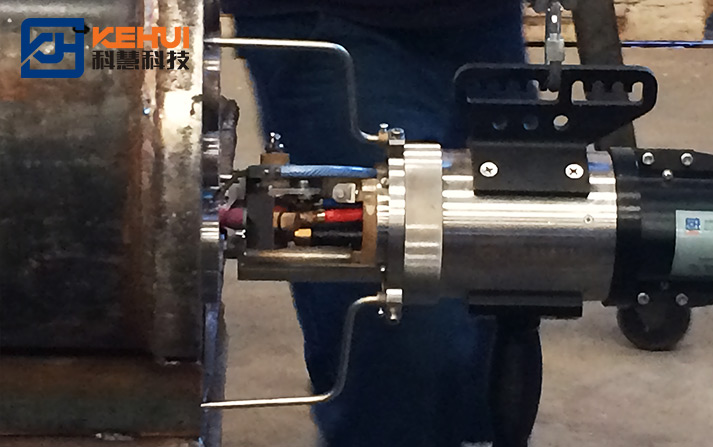
A tube to tubesheet strength weld is typically specified when mechanical expansion alone cannot meet design pressure requirements. These welds must comply with stringent standards regarding penetration depth, throat thickness, and metallurgical compatibility.
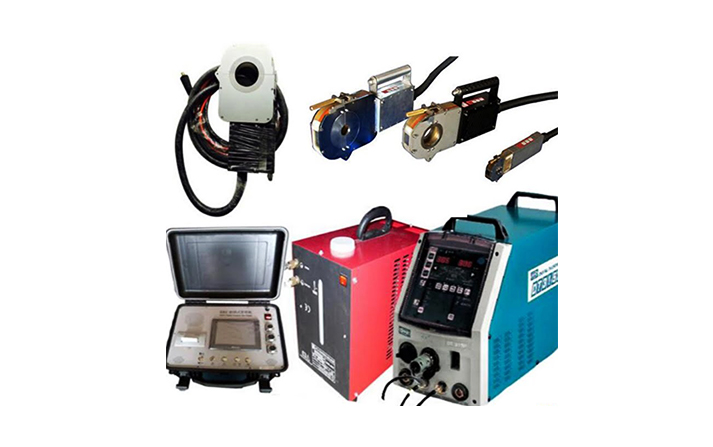
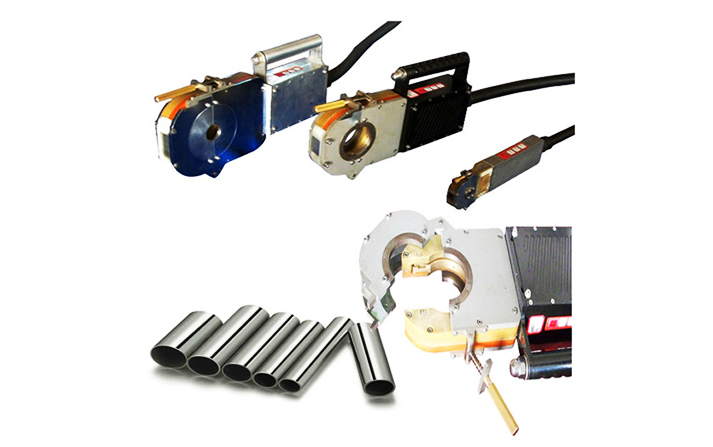
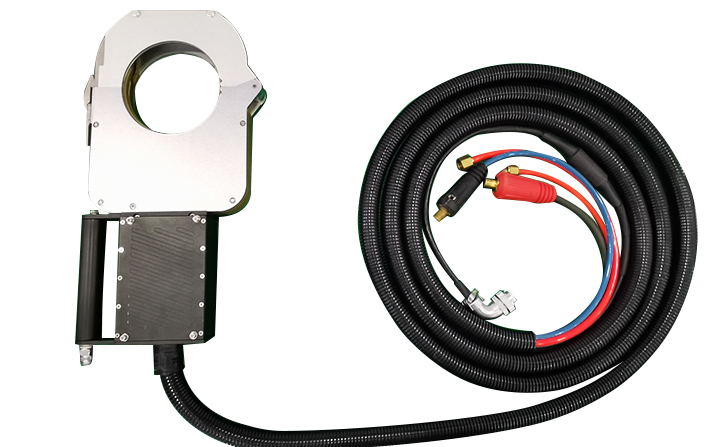
Automatic and orbital welding systems are increasingly adopted to improve consistency across thousands of tube joints.
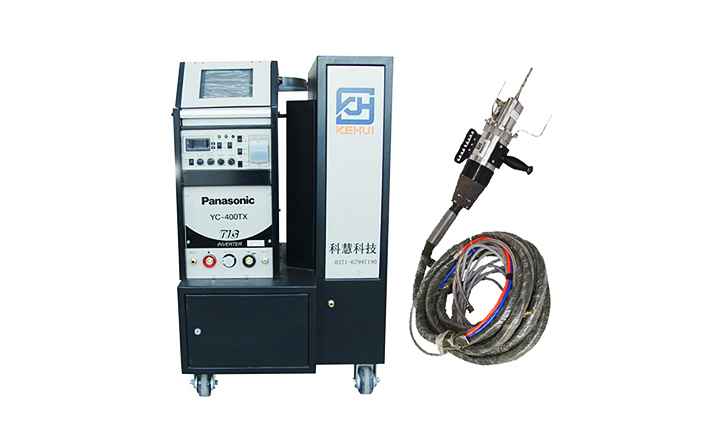
The selection of heat exchanger sheet materials directly impacts weldability. High-alloy steels and nickel-based alloys require precise heat input control to avoid cracking or loss of corrosion resistance.
Pre-weld cleaning and post-weld treatment are critical steps when working with clad or dissimilar metal exchanger tube sheet structures.
International standards such as ASME and TEMA define acceptance criteria for tube sheet welding. Hydrostatic testing, leak testing, and periodic inspections ensure that the welded heat exchanger tube sheet maintains performance throughout its service life.
Well-executed tube sheet welding not only enhances safety but also significantly reduces maintenance costs over the equipment lifecycle.
 TAG:
TAG: