Stock Code: 831045
Industrial Automation & Intelligence Solutions
SUMMERY: The global manufacturing landscape is undergoing a massive shift towards Industry 4.0, pushing manufacturers to seek high-quality welding automation solutions. However, implementing these advanced systems is never a one-size-fits-all jou...
The global manufacturing landscape is undergoing a massive shift towards Industry 4.0, pushing manufacturers to seek high-quality welding automation solutions. However, implementing these advanced systems is never a one-size-fits-all journey. The operational hurdles, environmental factors, and production demands vary drastically by region.
As a specialized engineering integrator, we do not manufacture robot arms ourselves. Instead, we source the ideal robotic arms from top global brands based entirely on our clients’ specific application needs, budgeting, and cycle times to design custom welding workstations or complete production lines. Having deployed automated turnkey lines across diverse regulatory and climatic zones—including Saudi Arabia, Ireland, the UK, France, Bulgaria, Indonesia, and the Philippines—we have observed firsthand how regional challenges shape the success of robotic welding integration.
Here is a deep-dive comparison into the unique challenges of deploying industrial robotic solutions in Saudi Arabia versus Europe, and how the right integration partner can bridge the gap.
One of the most immediate contrasts between deploying systems in the Middle East versus Europe lies in the ambient factory environment.
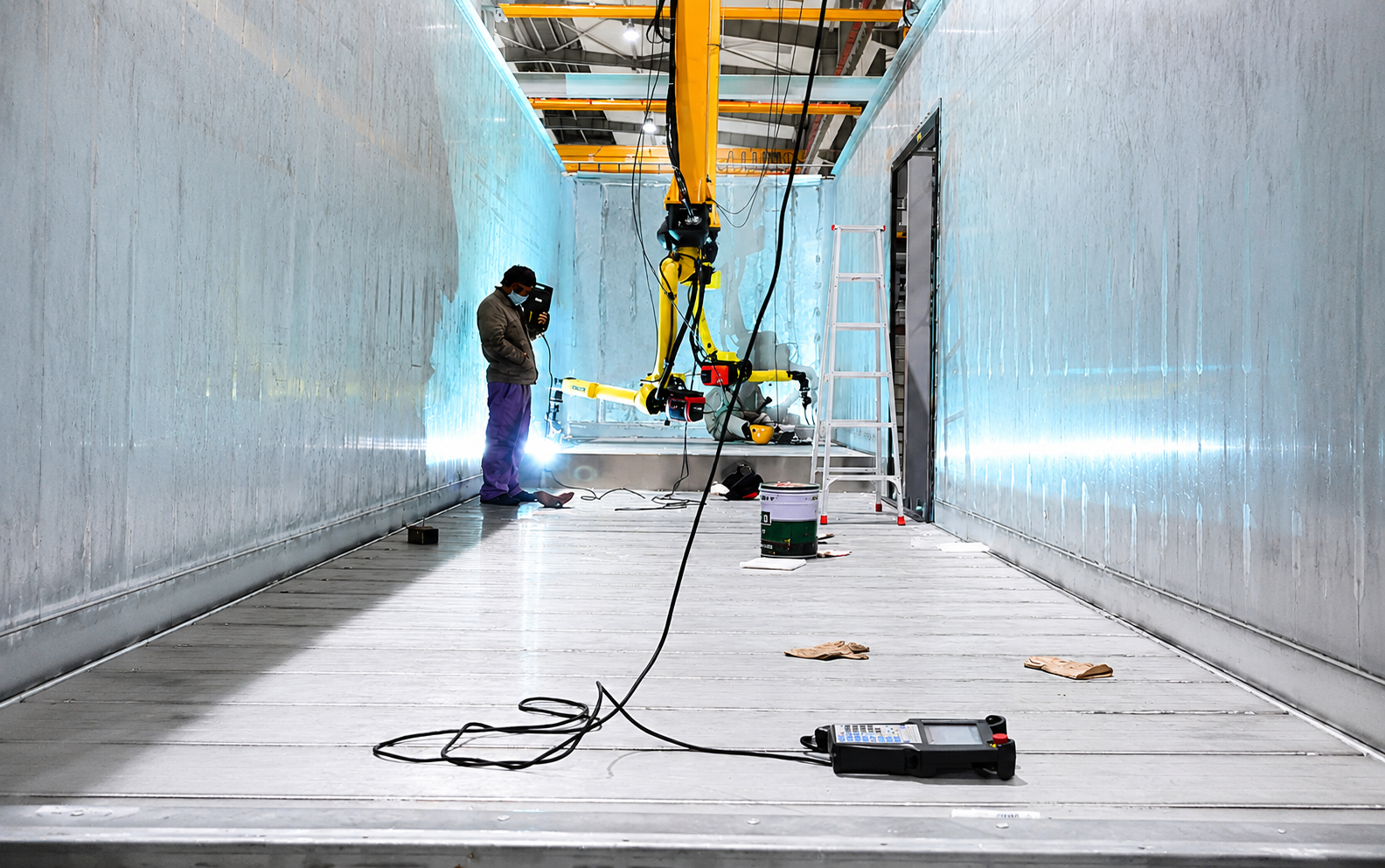
In Saudi Arabia, the driving force behind automation is often Vision 2030, which accelerates heavy infrastructure, oil & gas pipelines, and structural steel fabrication. However, the extreme desert heat and airborne dust pose severe risks to electronics, sensors, and power sources. When delivering welding automation solutions in Saudi Arabia, standard setups will fail. Systems require specialized heavy-duty cooling, dust-proof IP-rated enclosures, and robust climate-controlled cabinets to ensure the electronics do not overheat.
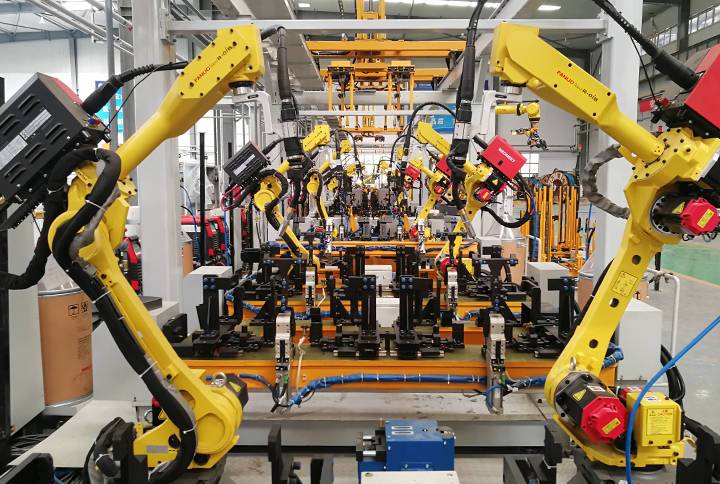
In contrast, factories in countries like France, Ireland, the UK, and Bulgaria present a different set of challenges. The climate is milder, but environmental regulations regarding emissions, weld fume extraction (such as ISO 15012 compliance), and energy consumption are exceptionally strict. European projects demand highly optimized industrial robotic solutions that integrate seamlessly with sophisticated localized extraction hoods and eco-friendly power grids.
The underlying manufacturing philosophy differs greatly between the fast-developing Saudi market and mature European markets, which fundamentally impacts how robotic welding integration is approached.
| Feature / Region | Saudi Arabia | Europe (UK, France, Ireland, Bulgaria) |
| Primary Industries | Oil & Gas, Structural Steel, Mega-construction | Automotive, Aerospace, Specialized Machinery |
| Production Type | High-Volume, Standardized, Continuous | High-Mix, Low-Volume (HMLV), Customized batches |
| Integration Focus | Heavy duty cycle, extreme durability, speed | Rapid changeover, advanced vision tracking, offline programming |
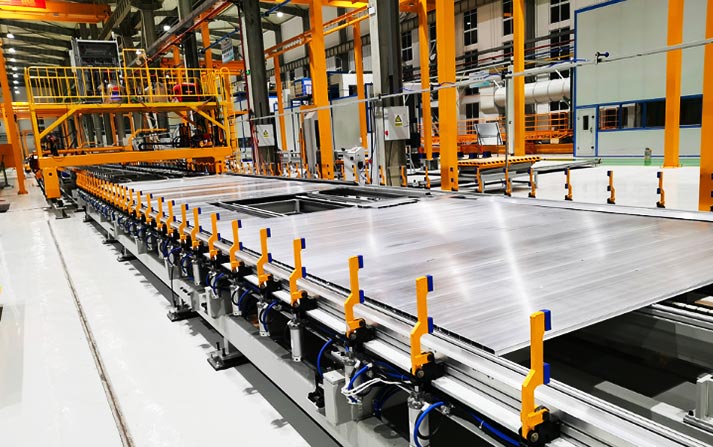
In Saudi Arabia, the demand leans heavily towards heavy-duty, repetitive, high-output welding. The robotic cell must be a workhorse capable of running multi-shift operations on heavy plates.
Conversely, European manufacturers frequently deal with customized, low-batch productions. This makes the software and tooling side of robotic welding integration far more complex in Europe. To make automation profitable for a European client, we integrate flexible quick-change tooling fixtures, advanced laser seam tracking, and intuitive offline programming software so the robot can switch between different parts with minimal downtime.
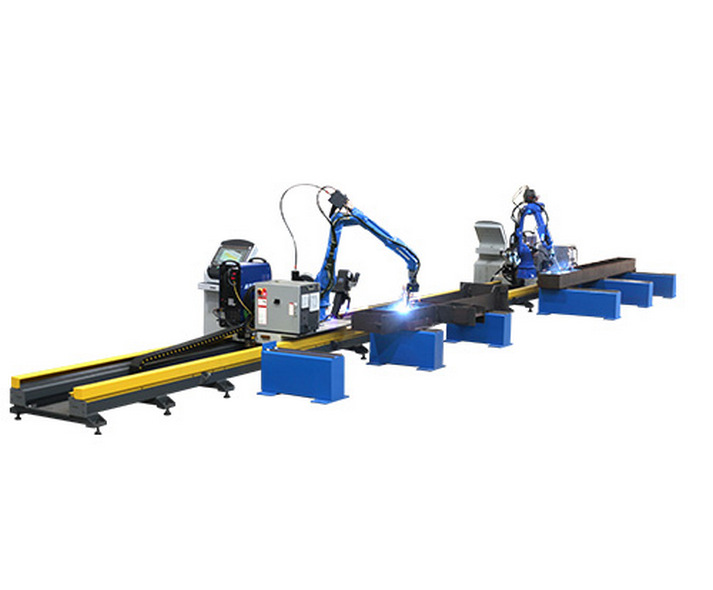
Both regions face a shortage of skilled manual welders—which is why they seek out top-tier welding automation companies—but their internal engineering capabilities differ.
The Saudi Arabian Landscape: The rapid adoption of smart manufacturing means local teams are still building up their in-house robotics expertise. When implementing industrial robotic solutions in the region, an integrator cannot just “drop off” the machine. It requires extensive lifecycle support, intuitive human-machine interfaces (HMIs), and comprehensive on-site training to empower local operators.
The European Landscape: In Europe, while there is a mature pool of automation engineers, labor costs are incredibly high. European businesses look for welding automation solutions that require minimal human intervention, utilizing AI-driven predictive maintenance and remote diagnostic capabilities to optimize labor efficiency.
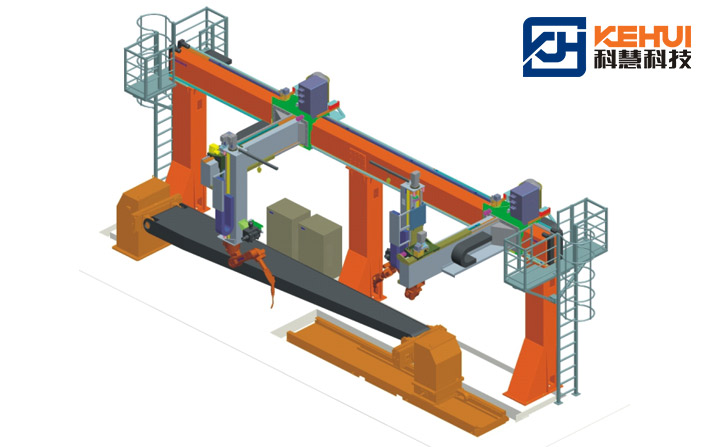
Navigating these fragmented regional challenges is exactly why choosing the right partner matters. Unlike single-brand manufacturers who are forced to push their own proprietary hardware, independent integration companies provide tailored objectivity.
[Client Requirements] ➔ [Brand-Agnostic Evaluation] ➔ [Custom Workstation / Line]
                              │ (Fanuc, Kuka, ABB, Yaskawa, etc.)
                              ▼
                Optimized for Regional Challenges
             (Saudi Heat vs. European CE Regulations)
Whether you need to withstand the harsh industrial environments of Saudi Arabia, meet the strict CE safety compliance of Western Europe, or optimize cost-efficiency for a factory in Southeast Asia (like Indonesia or the Philippines), the ideal approach is to build a system around your reality. By evaluating leading robotic hardware objectively, elite welding automation companies can select the exact arm, power source, and software package that fits your local environmental constraints and production targets.
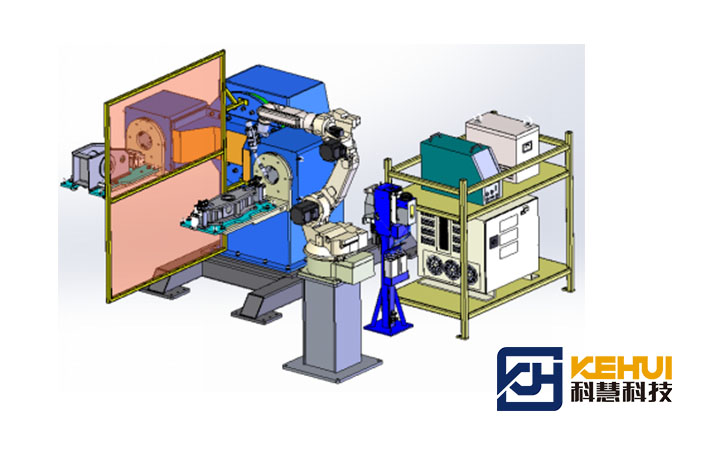
Successfully executing industrial robotic solutions requires deep cross-border engineering experience. From the strict safety architectures required in the UK and France to the heavy-duty structural demands of Saudi Arabia, we design and deploy bespoke automated welding cells that deliver rapid ROI.
Contact our team today to discuss your next automation project and discover how a custom-tailored system can revolutionize your production line.
 TAG:
TAG: We value your message!
Please fill the below, We will customized the solution to your needs.