Stock Code: 831045
Industrial Automation & Intelligence Solutions
SUMMERY: There is no single best tube to tubesheet welding machine for every factory. The right choice depends on production volume, tube material, quality requirements, and future expansion plans. In today's heat exchanger fabrication industry, ...
There is no single best tube to tubesheet welding machine for every factory. The right choice depends on production volume, tube material, quality requirements, and future expansion plans. In today’s heat exchanger fabrication industry, manufacturers increasingly prefer automated systems that deliver stable heat exchanger tube welding, support orbital welding tube to tubesheet applications, and provide complete tube-to-tubesheet welding solutions. The best machine is the one that fits your production process—not simply the one with the longest specification sheet.
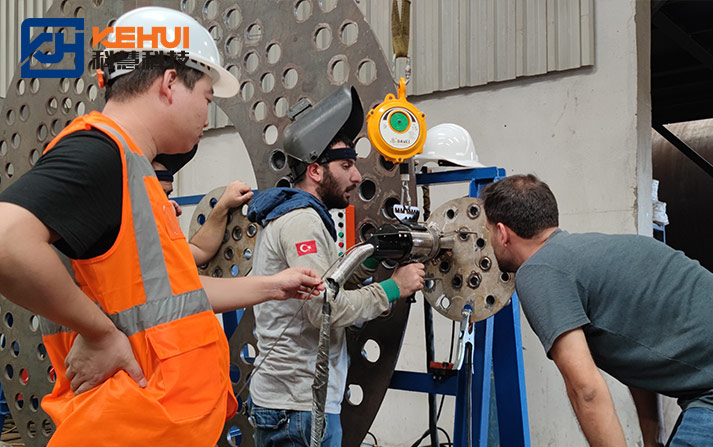
Visit a modern heat exchanger factory and you’ll notice something interesting. Managers rarely ask, “How fast can this machine weld?” Instead, they ask, “How many welds will pass inspection the first time?”
That shift explains why automation is becoming a key investment in heat exchanger fabrication. As labor costs rise and quality standards become stricter, manufacturers need equipment that produces reliable heat exchanger tube welding day after day.
For many companies, choosing the best tube to tubesheet welding machine is no longer about replacing manual welders—it’s about building a more predictable production process.
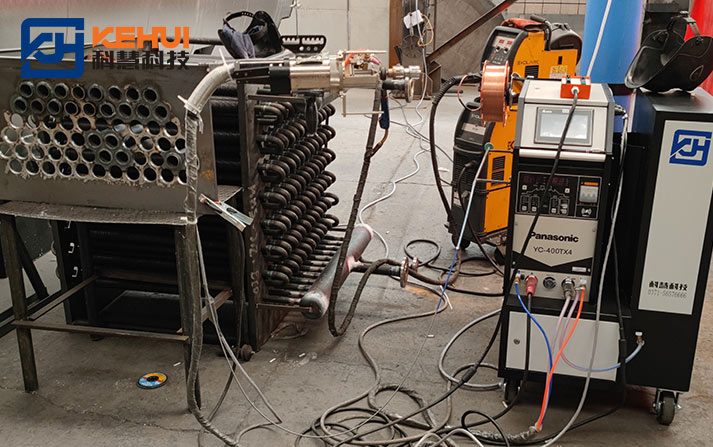
Factories producing hundreds of tube joints every shift know that repairing defective welds takes far more time than creating them.
The best tube to tubesheet welding machine is one that delivers consistent results with minimal adjustment. Stable arc control, programmable welding parameters, and accurate positioning all contribute to better heat exchanger tube welding quality.
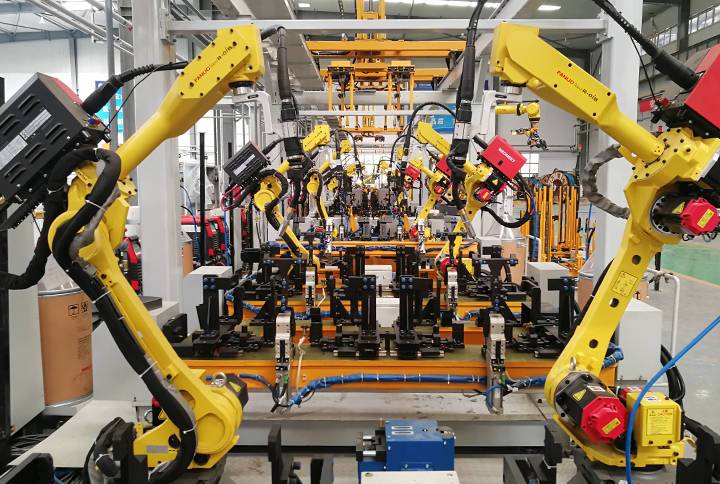
This is why many manufacturers are adopting orbital welding tube to tubesheet technology. Automated orbital movement reduces operator variation and produces repeatable welds across large production batches.
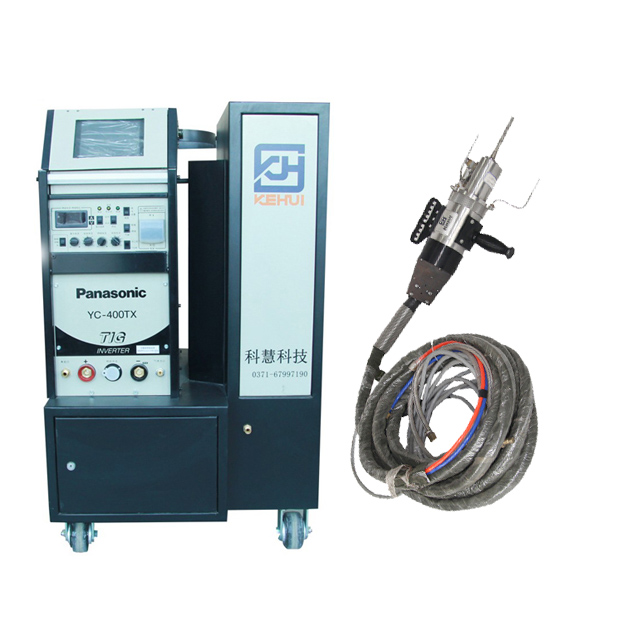
Selecting equipment based only on specifications is a common mistake.
Before investing in the best tube to tubesheet welding machine, manufacturers should evaluate:
High-volume production benefits from automated tube-to-tubesheet welding solutions that minimize downtime and reduce manual intervention.
Different heat exchangers require different welding configurations. Equipment should support your actual heat exchanger fabrication process rather than a generic application.
Whether you’re producing carbon steel or stainless steel equipment, reliable heat exchanger tube welding depends on stable welding parameters and proper process control.
Experienced production engineers know that even skilled manual welders can produce different results from one shift to the next.
With orbital welding tube to tubesheet, welding parameters remain consistent throughout the production cycle. This improves weld appearance, reduces repair work, and helps maintain stable quality.
For manufacturers seeking long-term efficiency, tube-to-tubesheet welding solutions based on orbital technology offer a practical way to improve both productivity and quality.
As production volumes increase, more factories consider orbital welding tube to tubesheet an investment rather than simply another machine purchase.
One lesson shared by many factory managers is simple: production rarely stays the same for long.
A machine that meets today’s requirements may become a limitation in two or three years.
When comparing the best tube to tubesheet welding machine, consider whether it can support additional product types, larger production volumes, and future automation upgrades.
Scalable tube-to-tubesheet welding solutions usually provide better long-term value than equipment designed for a single application.
The machine itself is only one part of a successful project.
A professional manufacturer should also provide:
These services often determine how quickly a factory reaches stable production after installing the best tube to tubesheet welding machine.
For many buyers, this support is just as important as the performance of the equipment itself.
Choosing the best tube to tubesheet welding machine is ultimately about improving the entire heat exchanger fabrication process rather than simply purchasing new equipment.
Factories that invest in reliable heat exchanger tube welding, adopt orbital welding tube to tubesheet technology, and implement complete tube-to-tubesheet welding solutions are often able to reduce rework, improve production consistency, and prepare their operations for future growth.
The best equipment is not necessarily the most expensive—it is the one that fits your production goals, supports your manufacturing team, and delivers repeatable quality every day.
Automatic welding reduces operator variation, improves production efficiency, and delivers consistent weld quality throughout the heat exchanger fabrication process.
Consistent welds reduce repair rates, improve product reliability, shorten inspection time, and help manufacturers control production costs.
Most modern systems support carbon steel, stainless steel, duplex stainless steel, nickel alloys, titanium, and other commonly used industrial materials.
The ideal level of automation depends on production volume, labor availability, quality requirements, and future expansion plans. High-volume manufacturers generally benefit most from automated systems.
Look for engineering experience, customization capability, technical support, operator training, spare parts availability, and proven experience delivering complete welding solutions.
Basic machine operation can usually be learned within a few days, while mastering parameter optimization and production techniques typically requires hands-on practice and application-specific training.
 TAG:
TAG: We value your message!
Please fill the below, We will customized the solution to your needs.