Stock Code: 831045
Industrial Automation & Intelligence Solutions
SUMMERY: Most orbital welding problems are not caused by the machine itself but by incorrect preparation, poor parameter settings, inadequate shielding gas, or improper maintenance. A reliable automatic orbital welder, combined with suitable orbi...
Most orbital welding problems are not caused by the machine itself but by incorrect preparation, poor parameter settings, inadequate shielding gas, or improper maintenance. A reliable automatic orbital welder, combined with suitable orbital welding equipment and well-planned pipe welding automation, can significantly reduce welding quality issues and help manufacturers achieve consistent high-quality pipe welding.
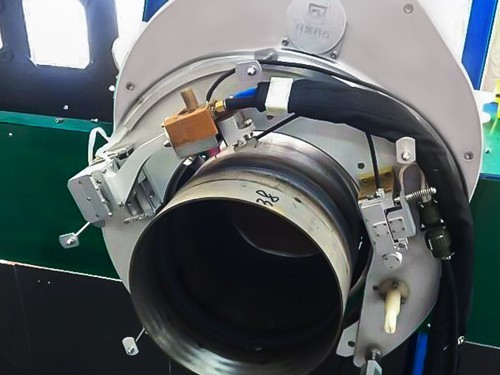
Orbital welding is known for precision and repeatability, but even the best automatic orbital welder cannot compensate for poor preparation or incorrect operation. Successful pipe welding automation depends on the right equipment, qualified procedures, and regular maintenance.
Understanding the most common mistakes is the first step toward improving productivity and achieving high-quality pipe welding.
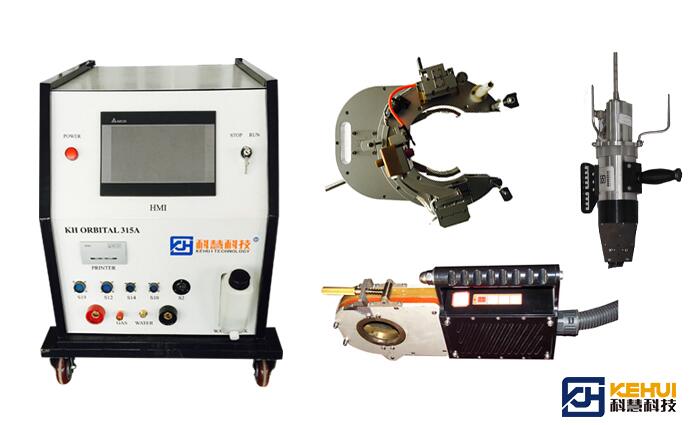
Many orbital welding problems begin before welding even starts.
Typical causes include:
Always clean and prepare the pipe carefully before using an automatic orbital welder. Proper fit-up allows orbital welding equipment to maintain a stable arc and produce consistent weld penetration.
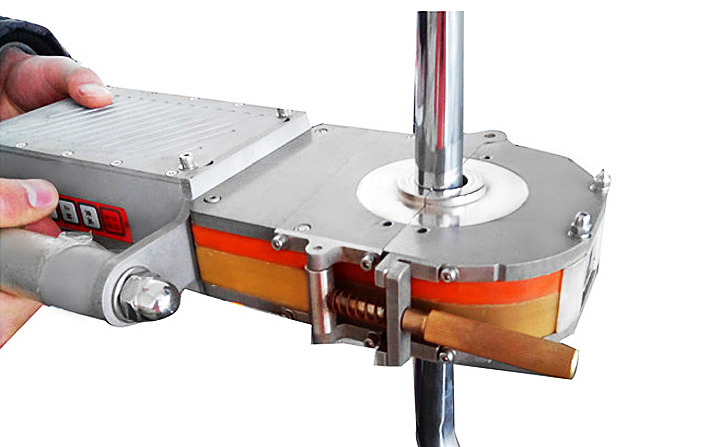
Using unsuitable welding parameters is another common source of welding quality issues.
Typical mistakes include:
Set parameters according to the pipe material, wall thickness, and diameter. Modern orbital welding equipment usually provides programmable welding schedules, making pipe welding automation more accurate and repeatable.
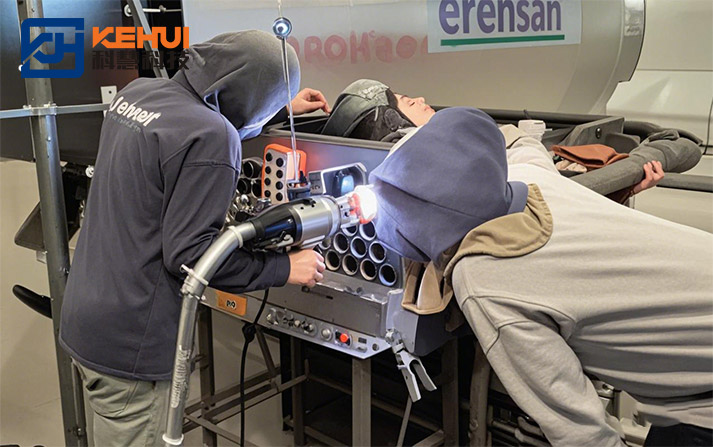
Poor gas protection often causes discoloration, oxidation, and other orbital welding problems.
Use high-purity argon, ensure proper gas flow, and allow enough pre-purge and post-purge time. Good shielding is essential for producing high-quality pipe welding, especially on stainless steel and high-purity tubing.
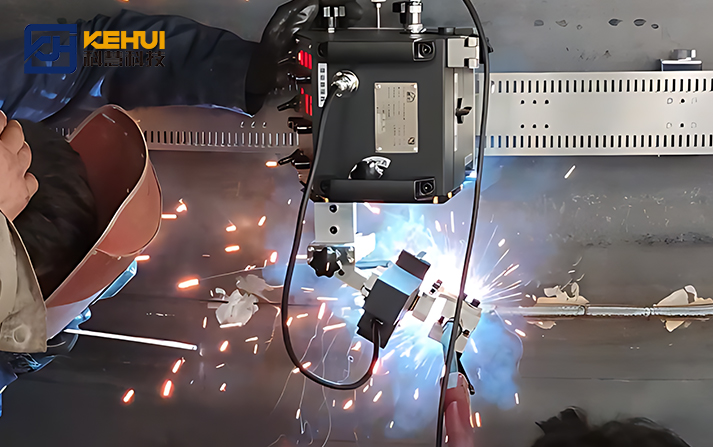
Different applications require different welding solutions.
Selecting unsuitable orbital welding equipment can reduce efficiency and increase the risk of defects.
For example:
Choosing the right automatic orbital welder is an important part of successful pipe welding automation.
Even advanced orbital welding equipment requires regular inspection and servicing.
Worn electrodes, contaminated welding heads, damaged cables, or overdue calibration can all contribute to welding quality issues.
Create a preventive maintenance schedule for every automatic orbital welder. Regular inspection not only extends equipment life but also improves welding consistency and reduces unexpected downtime.
Compared with manual TIG welding, modern pipe welding automation provides better repeatability, higher productivity, and fewer operator-related variations.
A properly configured automatic orbital welder helps manufacturers:
Automation is not a replacement for good practice—it is a tool that performs best when combined with proper preparation, correct procedures, and reliable orbital welding equipment.
Most orbital welding problems can be prevented through better preparation, proper parameter selection, effective shielding gas protection, and regular equipment maintenance. Investing in dependable orbital welding equipment, implementing efficient pipe welding automation, and operating a well-maintained automatic orbital welder will greatly reduce welding quality issues while delivering consistent high-quality pipe welding.
If you’re looking for equipment that helps improve weld consistency, you can also read our guide “Why Choose KEHUI Orbital Welding Machine.”
Answer: Black welds are usually caused by oxygen contamination, insufficient shielding gas, or poor internal purging. Check gas purity, flow rate, and purge time before welding.
Answer: Common reasons include poor joint preparation, incorrect welding parameters, contamination, inadequate shielding gas, or equipment calibration issues. Following qualified welding procedures helps improve acceptance rates.
Answer: High-purity argon is the standard shielding gas for most orbital GTAW applications. Some special materials may require different gas mixtures based on the welding procedure specification.
Answer: Maintain clean pipe surfaces, optimize welding parameters, use properly calibrated orbital welding equipment, and follow a preventive maintenance schedule. Consistent setup is the key to repeatable weld quality.
Answer: Yes. Although an automatic orbital welder automates the welding process, operators still need to prepare joints, select suitable welding programs, monitor equipment, and inspect weld quality.
Answer: Yes. Orbital welding is widely used for stainless steel piping in pharmaceutical, semiconductor, food processing, chemical processing, and other industries because it delivers clean, repeatable, and high-quality pipe welding with minimal operator variation.
 TAG:
TAG: We value your message!
Please fill the below, We will customized the solution to your needs.