Stock Code: 831045
Industrial Automation & Intelligence Solutions
SUMMERY: Pipeline welding rework is one of the biggest hidden costs in industrial fabrication. Every rejected weld means additional labor, longer project schedules, higher inspection costs, and unnecessary material waste. While operator skill and...
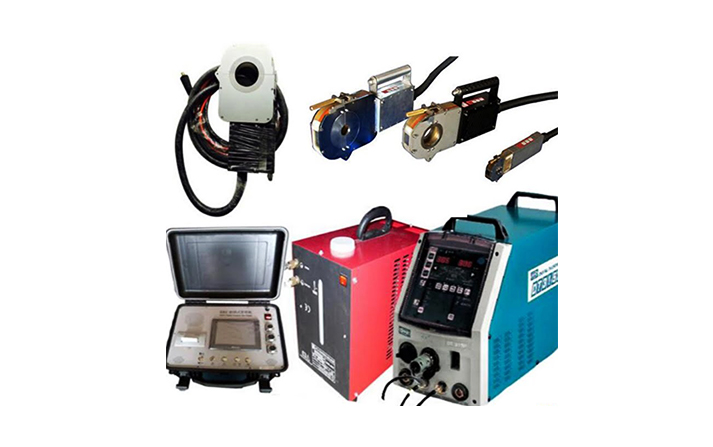
Pipeline welding rework is one of the biggest hidden costs in industrial fabrication. Every rejected weld means additional labor, longer project schedules, higher inspection costs, and unnecessary material waste. While operator skill and welding procedures remain important, many manufacturers are now using an orbital welding system to improve consistency and reduce rework.
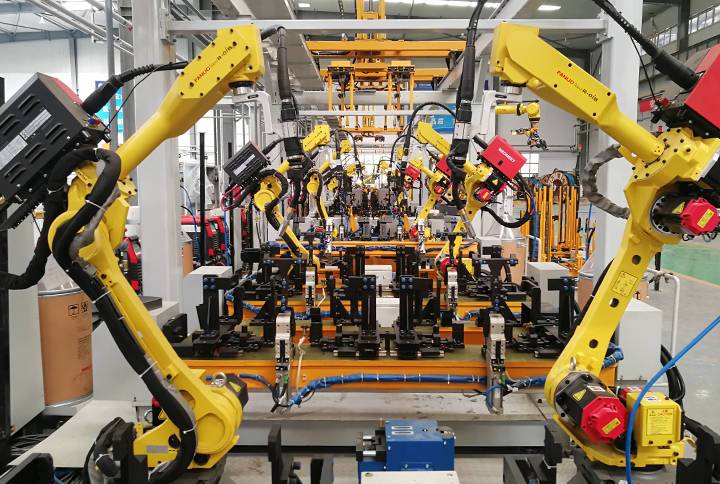
Modern automated welding solutions help standardize welding parameters, while automatic pipeline welding minimizes variation between operators and production shifts. Combined with proper joint preparation and quality control, these technologies can significantly reduce pipeline welding rework and improve first-pass acceptance rates.
Most welding defects are not caused by a single factor. Instead, rework usually results from several small issues occurring at the same time.
Common causes include:
Even an experienced welder may produce different results throughout a long production shift. This is why many manufacturers choose an orbital welding system to improve weld consistency instead of relying only on manual techniques.
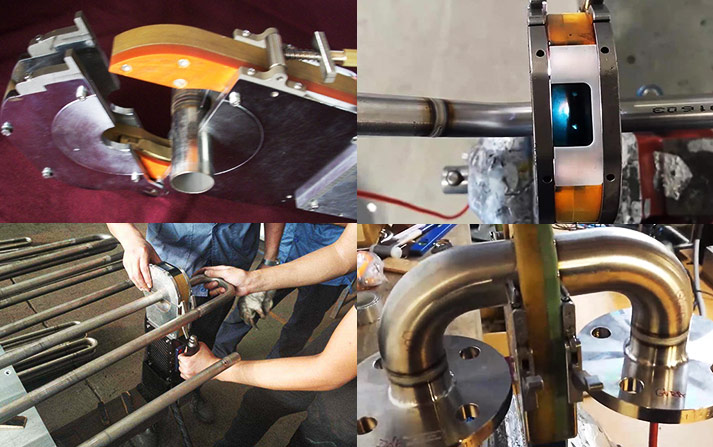
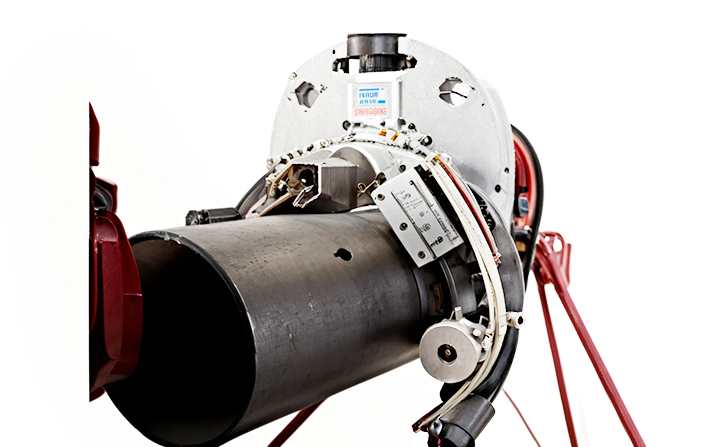
Unlike manual welding, an orbital welding system follows programmed welding parameters throughout the entire weld cycle.
Current, travel speed and arc timing remain consistent, helping reduce variation between welds. This makes it easier to produce repeatable results for every orbital welding pipe joint.
Many pipeline projects involve hundreds or even thousands of similar joints.
With automatic pipeline welding, qualified welding programs can be reused for identical pipe specifications. This reduces setup variation and supports more reliable production.
One of the biggest advantages of automated welding solutions is repeatability.
Stable welding parameters help improve:
Improved repeatability also reduces unnecessary pipeline welding rework.
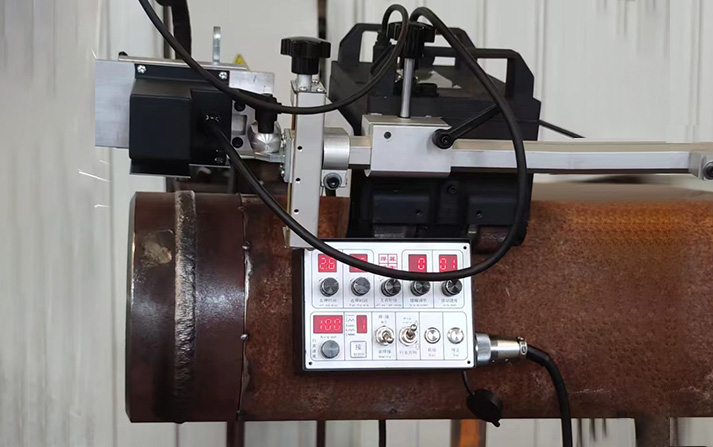
Even the best orbital welding system for pipeline cannot compensate for poor preparation.
Before welding:
Good fit-up remains the foundation of successful automatic pipeline welding.
Clean pipe surfaces help prevent contamination and porosity.
For stainless steel applications, dedicated cleaning tools should be used to avoid cross contamination before welding an orbital welding pipe.
Before production begins, verify:
Many manufacturers perform a trial weld before full production to confirm the settings.
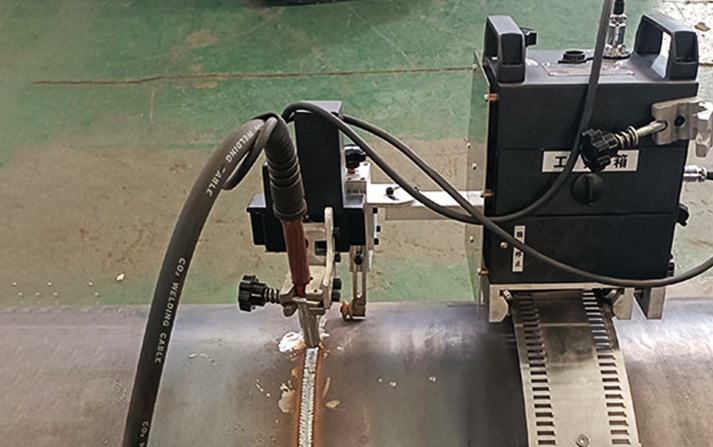
Every rejected weld delays production.
Modern automated welding solutions improve first-pass quality by reducing operator variation and maintaining stable welding conditions.
Compared with manual welding, automatic pipeline welding offers:
| Manual Welding | Automatic Pipeline Welding |
|---|---|
| Operator-dependent | Program-controlled |
| Variable travel speed | Stable travel speed |
| Different welding habits | Repeatable welding cycle |
| Higher variation | Better weld consistency |
| More frequent repairs | Lower pipeline welding rework |
For projects requiring repeated circumferential welds, an orbital welding system provides a more consistent production process.
Reducing pipeline welding rework does not stop after welding begins.
Production teams should monitor:
Verify every joint before welding starts.
Confirm that welding programs remain correct throughout production.
Inspect tungsten electrodes, shielding gas supply and filler materials regularly.
Routine maintenance of the orbital welding system helps maintain stable production and reduces unexpected downtime.
Selecting the best orbital welding system for pipeline depends on more than equipment specifications.
Manufacturers should evaluate:
The best orbital welding system for pipeline is the one that matches the actual production environment rather than simply offering the highest specifications.
For many manufacturers, combining the right orbital welding system with practical automated welding solutions creates a more efficient and repeatable welding process.
Successful manufacturers rarely focus only on repairing welding defects. Instead, they analyze why defects occur and improve the process before the next production run.
By combining proper preparation, qualified welding procedures, routine maintenance and automatic pipeline welding, companies can gradually reduce pipeline welding rework while improving productivity.
An orbital welding pipe project should always be viewed as a complete process—from joint preparation to final inspection—not simply as a welding operation.
Reducing pipeline welding rework requires more than skilled welders. It requires consistent processes, reliable equipment and continuous quality control.
An orbital welding system provides stable welding parameters and repeatable welding cycles. Together with modern automated welding solutions, manufacturers can improve weld consistency, reduce repair rates and increase production efficiency.
For projects involving repeated orbital welding pipe joints, automatic pipeline welding offers a practical way to improve quality while controlling long-term production costs.
Common causes include poor pipe fit-up, incorrect welding parameters, unstable shielding gas, contamination and inconsistent manual operation. An orbital welding system helps reduce many of these variables.
An orbital welding system uses repeatable welding programs and stable travel speed to improve weld consistency, reducing the likelihood of pipeline welding rework.
For repetitive production, automatic pipeline welding generally provides better consistency, improved repeatability and lower repair rates than manual welding.
Inspect pipe alignment, root gap, bevel quality, shielding gas, tungsten condition and welding parameters before starting the weld.
The best orbital welding system for pipeline should match the pipe diameter, wall thickness, welding process, production volume and project environment while offering reliable technical support and maintenance.
Yes. Properly implemented automated welding solutions help maintain consistent welding parameters and weld quality, making it easier to achieve higher first-pass inspection rates.
Yes. Most modern orbital welding systems can be configured for different materials, provided the correct welding procedure, parameters and consumables are selected.
 TAG:
TAG: We value your message!
Please fill the below, We will customized the solution to your needs.