Stock Code: 831045
Industrial Automation & Intelligence Solutions
SUMMERY: Learning how to weld stainless steel pipe is not simply about choosing a welding machine and starting the arc. The result depends on pipe material, diameter, wall thickness, joint preparation, shielding gas, heat input, and welding speed...
Learning how to weld stainless steel pipe is not simply about choosing a welding machine and starting the arc. The result depends on pipe material, diameter, wall thickness, joint preparation, shielding gas, heat input, and welding speed.
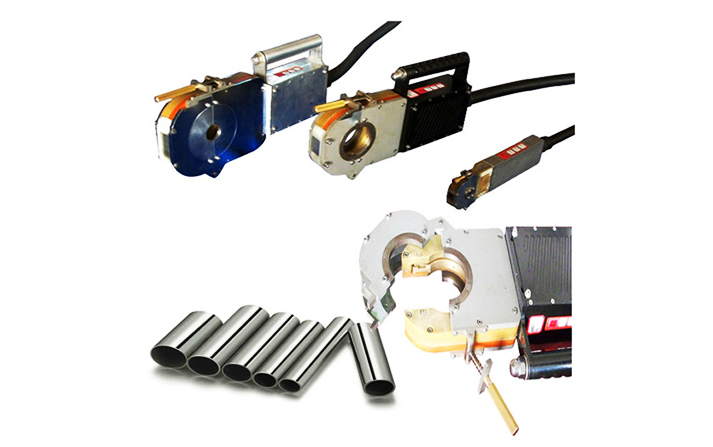
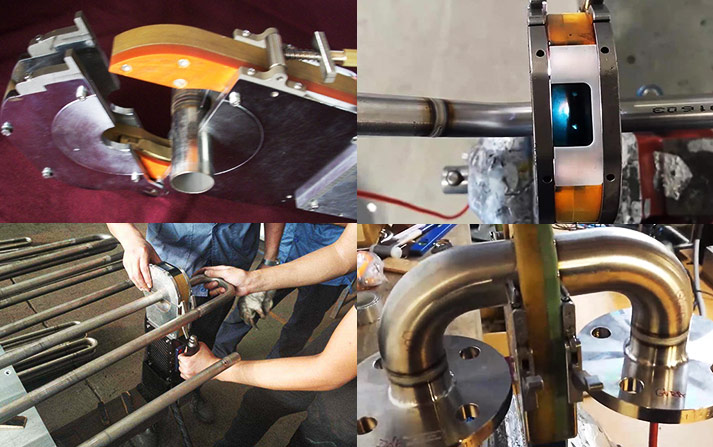
For repetitive production, orbital welding stainless steel pipe can provide more consistent control than manual welding. A suitable stainless steel pipe welding machine, especially an orbital welding machine for pipe, can help control the welding process around the entire circumference of the joint. When production volume is high, automatic pipe welding systems can further improve repeatability and reduce variation between operators.
The best way to weld stainless steel pipe depends on the pipe size, wall thickness, material grade, joint design, and production requirements.
Common methods include:
For high-quality pipe joints, TIG welding is often selected when precise control is important. For repeated production, orbital welding stainless steel pipe can be a better solution because the welding movement and parameters can be controlled more consistently.
The correct stainless steel pipe welding machine should be selected according to the actual application rather than simply choosing the most powerful equipment.
Before asking how to weld stainless steel pipe, the first step is proper preparation.
Remove:
Stainless steel is sensitive to contamination. Using tools that have previously been used on carbon steel can also introduce unwanted particles to the stainless steel surface.
The pipe ends should be cut and prepared according to the selected welding procedure.
For thin-wall pipe, excessive preparation can remove too much material. For thicker pipe, beveling may be necessary to achieve sufficient penetration.
Correct preparation is especially important when using an orbital welding machine for pipe, because automated welding equipment follows a programmed welding path. It cannot compensate for major dimensional errors in the joint.
Proper alignment is one of the most important factors in stainless steel pipe welding.
Before starting the weld, check:
In real production, many weld quality problems blamed on the machine actually begin during fit-up.
Whether welding manually or using automatic pipe welding systems, the two pipe ends must be properly aligned before welding begins.
TIG welding provides precise control of the arc and heat input. It is widely used for stainless steel pipe applications where weld appearance and quality are important.
When the same pipe joint must be welded repeatedly, orbital welding stainless steel pipe can reduce variations caused by manual torch movement.
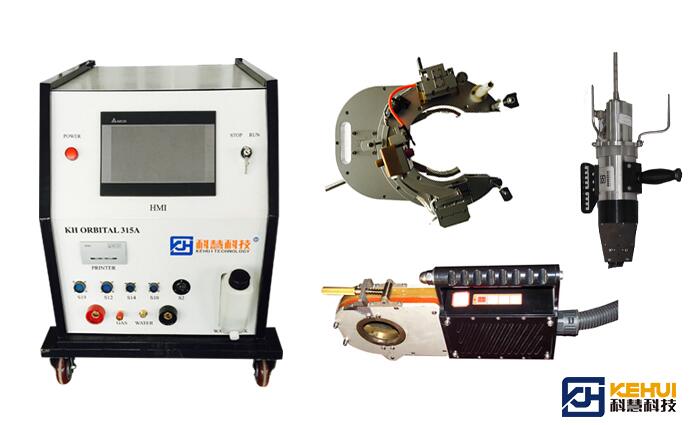
An orbital welding machine for pipe moves the welding head around the pipe while controlling the welding procedure according to programmed parameters.
For larger production volumes, automatic pipe welding systems can integrate welding equipment, positioning systems, fixtures, and control software.
The right solution depends on whether the pipe is fixed or rotated, the diameter range, the material, and the required production output.
Shielding gas protects the molten weld pool from atmospheric contamination.
Argon is commonly used for TIG welding stainless steel pipe. Depending on the process and application, gas coverage may also be required on the inside of the pipe.
Poor shielding can result in:
When orbital welding stainless steel pipe, stable gas flow is particularly important because the weld head travels continuously around the joint.
There is no single setting for every stainless steel pipe.
Important parameters include:
The correct settings depend on pipe diameter, wall thickness, stainless steel grade, joint design, and welding position.
A stainless steel pipe welding machine can help maintain repeatable parameters, but the initial welding procedure still needs to be developed and verified for the actual pipe.
Before starting batch production, a test weld is recommended.
A test weld helps verify:
This is especially important when introducing automatic pipe welding systems into a new production line.
In a factory environment, it is usually more efficient to spend time optimizing one test weld than to discover a parameter problem after producing a large batch of defective parts.
Orbital welding stainless steel pipe is particularly useful when:
An orbital welding machine for pipe can control the welding movement around the circumference more consistently than manual operation.
However, orbital welding is not automatically the best choice for every application. Pipe preparation, diameter range, accessibility, production volume, and required flexibility should all be considered.
When selecting a stainless steel pipe welding machine, consider the following:
The machine must cover the required diameter range.
Thin-wall stainless steel pipe may require precise heat control, while thicker pipe may require different welding procedures.
TIG, orbital TIG, and other automated methods have different equipment requirements.
For occasional welding, manual equipment may be sufficient. For repeated joints, an orbital welding machine for pipe or other automated equipment may provide better consistency.
A stainless steel pipe welding machine should ideally support the pipe sizes and applications you expect to handle in the future.
Yes. Automatic pipe welding systems can improve repeatability by controlling welding movement and process parameters.
Compared with purely manual welding, automated equipment can help reduce variation in:
For manufacturers producing a large number of similar joints, orbital welding stainless steel pipe can be an effective way to standardize production.
The role of the operator also changes. Instead of manually controlling every movement of the arc, the operator focuses more on pipe preparation, machine setup, parameter selection, and quality inspection.
A black or heavily discolored weld is often related to insufficient shielding gas, poor gas coverage, excessive heat input, or inadequate internal purging.
Thin-wall stainless steel pipe can deform when excessive heat is applied. Controlling heat input and welding speed is important.
This may result from incorrect current, unsuitable joint preparation, excessive travel speed, or poor fit-up.
Manual welding can produce variation in torch movement and heat input. A suitable stainless steel pipe welding machine or automatic pipe welding systems can help improve repeatability in repetitive production.
The answer to how to weld stainless steel pipe depends on more than the welding process itself. Proper preparation, alignment, shielding gas, parameter control, and inspection all contribute to the final result.
For occasional work, manual TIG welding may be sufficient. For repeated production, orbital welding stainless steel pipe can provide more consistent welding movement. An appropriate orbital welding machine for pipe can further improve process repeatability, while automatic pipe welding systems are suitable for manufacturers seeking a higher level of production automation.
The right stainless steel pipe welding machine should therefore be selected based on the actual pipe diameter, wall thickness, material, production volume, and required weld quality.
TIG welding is widely used when precise heat control and high weld quality are required. For repetitive production, orbital welding stainless steel pipe can improve consistency and repeatability.
Yes. TIG welding is widely used for stainless steel pipe because it provides precise control of the arc and heat input. For repeated joints, an orbital welding machine for pipe can automate the welding movement.
Argon is commonly used for TIG welding stainless steel pipe. The required gas flow and internal purging depend on the pipe, welding process, joint design, and quality requirements.
A black weld is commonly associated with poor shielding gas coverage, insufficient gas flow, excessive heat input, contamination, or inadequate back purging.
Use clean joint surfaces, stable shielding gas coverage, suitable gas flow, proper heat input, and internal purging when required. Correct welding parameters are particularly important when orbital welding stainless steel pipe.
Yes. Stainless steel pipe can be welded using automatic pipe welding systems, including orbital welding equipment. The appropriate stainless steel pipe welding machine depends on pipe diameter, wall thickness, material, joint design, and production requirements.
 TAG:
TAG: We value your message!
Please fill the below, We will customized the solution to your needs.