Stock Code: 831045
Industrial Automation & Intelligence Solutions
SUMMERY: You have seen the online debates. One forum post celebrates robotic welding advantages and disadvantages—how robots saved a shop. The next post is a rant about a brand‑new machine that cannot weld two parts the same way. Who is right? Bo...
You have seen the online debates. One forum post celebrates robotic welding advantages and disadvantages—how robots saved a shop. The next post is a rant about a brand‑new machine that cannot weld two parts the same way. Who is right? Both.
The difference between a success story and a horror story is almost never the robot brand. It is the integration. After decades on shop floors, we can tell you: 70% of the problems that make managers regret their investment trace back to five things that have nothing to do with the robot arm.
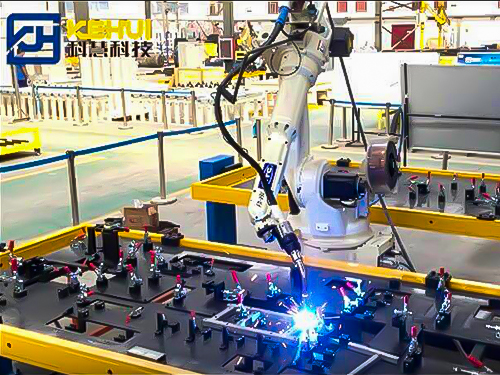
People love to argue about robotic welding advantages and disadvantages as if the robot itself is the main variable. Our call logs say otherwise. When a welding cell fails to deliver, the culprit is almost always one of these:
Fixtures that walk – Clamps that loosen, locators that wear, parts that shift under force
Positioners that sag – Undersized tables that move while the torch is live
Process parameters that are guesses – Voltage, wire feed, and gas mix that never got validated on real parts
Layouts that fight the operator – Poor material flow, bad ergonomics, long changeovers
Integration that skipped the details – No collision detection, no seam tracking, no training
Notice what is missing from that list. Robot brand. Robot payload. Robot speed. Those are rarely the root cause.
This explains why two different shops can buy the same robot and get completely different results. One works with an automated welding systems integrator who understands the five suspects above. The other buys from a distributor who drops off a crate and leaves.
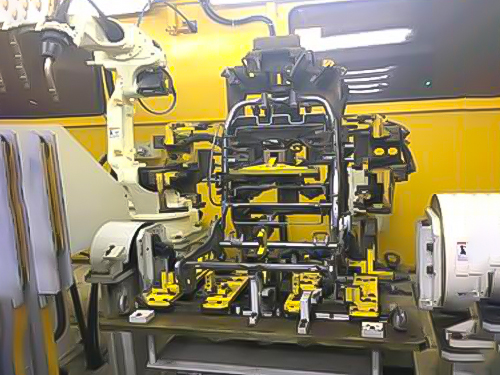
Let us acknowledge the genuine upsides of robotic welding advantages and disadvantages. When integration is done right, the advantages are substantial:
Repeatability within 0.1mm – The robot places every bead exactly where it belongs
24/7 uptime – No fatigue, no shift changes, no lost time
Weld data for every joint – Full traceability of current, voltage, travel speed
Lower consumable costs – Consistent technique extends torch and nozzle life
Reduced fume exposure – Operators move to programming booths, not the smoke
These benefits do not come from a spec sheet. They come from robotic welding solutions that are engineered around your parts, not a generic template.
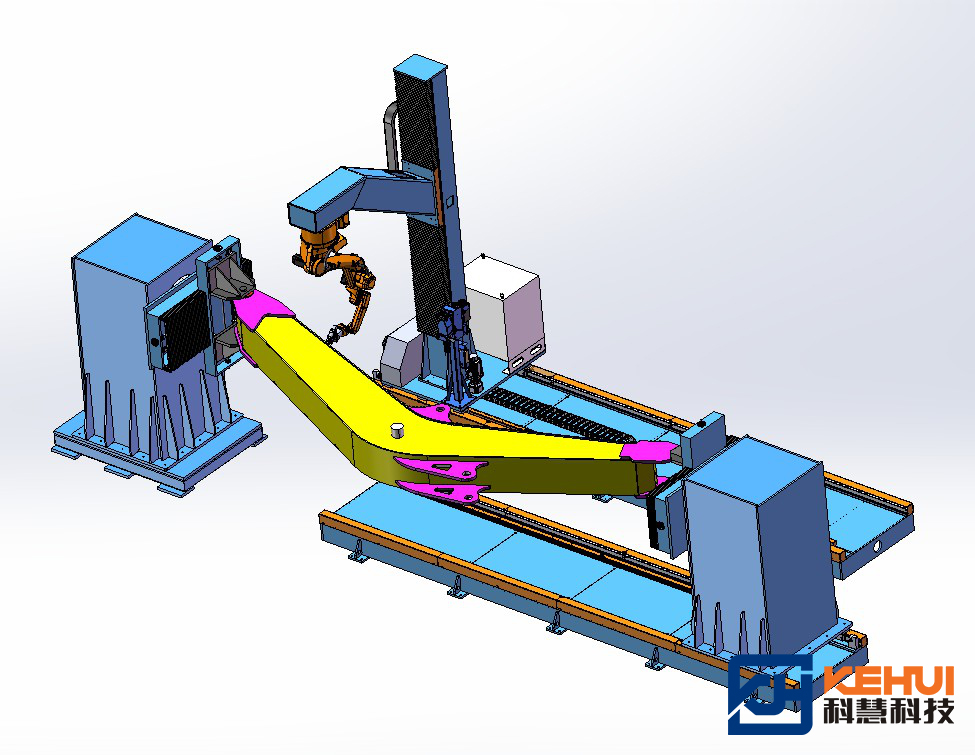
The complaints you hear about robotic welding advantages and disadvantages often sound like this:
“The robot cannot handle part variation.”
“Programming takes forever.”
“The welds look cold on the second shift.”
“We keep crashing into the fixtures.”
Each of these is a valid problem. But each is an integration problem, not a robot problem.
Part variation is solved with seam tracking and adaptive control. That is robotic welding integration services work. Slow programming is solved with offline tools and macros. That is automated welding solutions design. Cold welds on second shift happen when cooling water temperature changes and the process does not compensate. That is a control system issue. Crashes happen when the work envelope was never properly simulated.
The robot is doing what it was told. The problem is what it was told—and by whom.
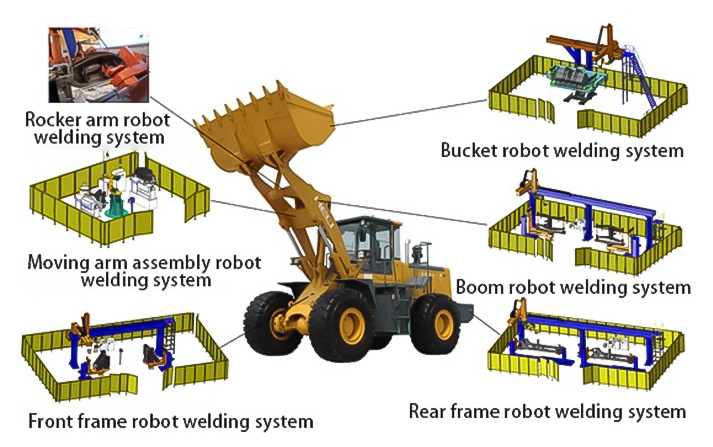
A robot is a general‑purpose motion platform. Welding is a specific process with its own physics: thermal cycles, metallurgy, gas coverage, distortion. Making the two work together requires deep process knowledge.
This is where an automated welding systems integrator earns their value. They do not just mount a torch on a flange. They:
Test your material – They run weld coupons in their lab to establish correct parameters
Simulate your parts – They model the cell digitally to catch collisions and cycle time issues
Build robust tooling – They design fixtures that hold your parts despite natural variation
Train your team – They turn your welders into robot programmers
Stay for support – They offer robotic welding integration services that answer the phone when something strange happens
A good automated welding systems integrator makes the robot look easy. A poor one makes the robot look useless.
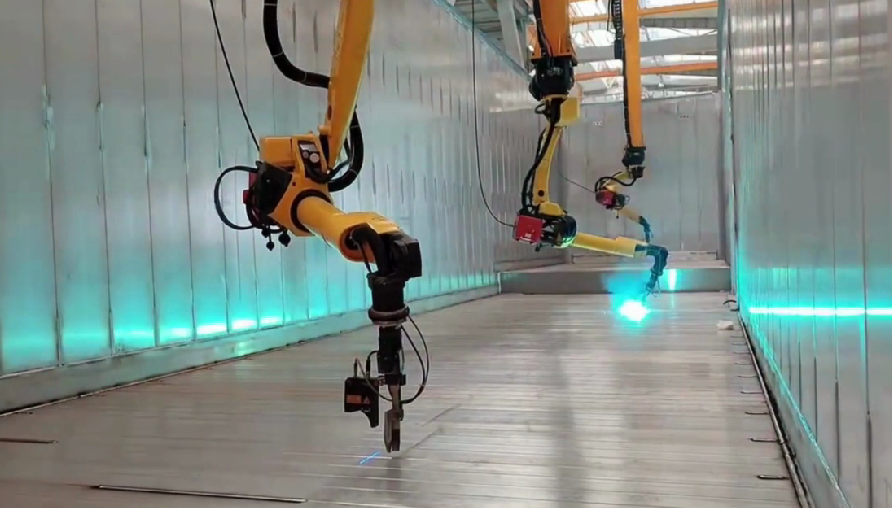
When you see robotic welding solutions done right, they are almost boring. The cell runs shift after shift. The operator loads parts, presses a button, and inspects the finished weld. Problems are rare, and when they happen, they are fixed quickly.
Contrast that with a bad installation. The operator is constantly overriding programs. The robot stops for no obvious reason. Weld quality varies by day of the week. The integrator is unavailable.
The difference is not the robot. It is the automated welding solutions approach. Good solutions start with the part and work backward. They ask: what does it take to weld this joint, in this material, at this volume, with these operators? Then they build the automated welding systems integrator plan around those answers.
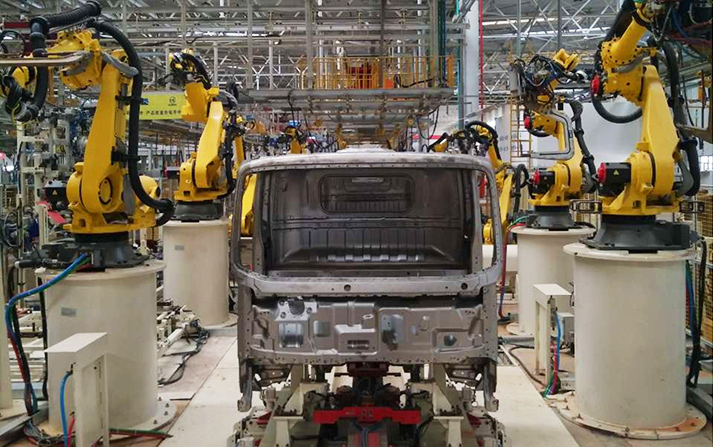
A heavy equipment fabricator once called us after their first automation attempt failed. They had bought a well‑known robot from a major brand. The robot sat for six months because no one could make it weld consistently. The manufacturer blamed the robot.
We arrived and found the real issues: the fixture was not rigid, the positioner was undersized, and the welding parameters were copied from a manual chart. The robot itself was fine. We redesigned the tooling, upgraded the positioner, and developed a proper parameter set. Within two weeks, the robotic welding solutions cell was running production.
That fabricator learned what we already knew: integration is everything.
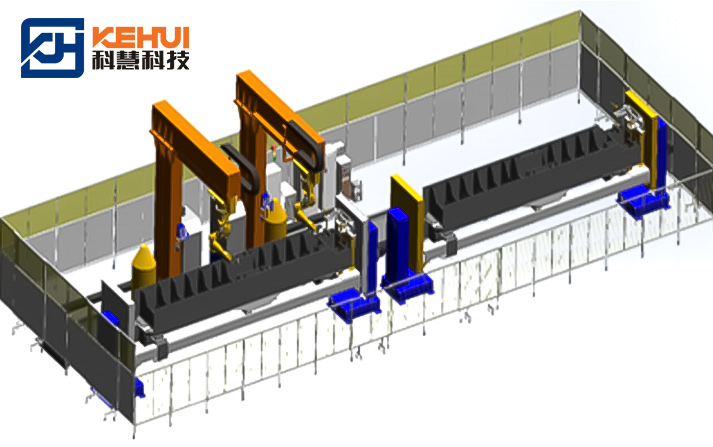
We have been delivering automated welding solutions since 1994. That is three decades of fixing problems that others could not solve. Our robotic welding integration services have been deployed in over fifty countries.
We are not a robot reseller. We are an automated welding systems integrator who starts with your parts, your material grades, and your production targets. Only then do we select the hardware.
Our robotic welding solutions come with on‑site engineering for installation, commissioning, and training. We hold CE certification and all export documentation. Our pricing is competitive. Our lead times are short because we maintain inventory and know our supply chain.
When you work with us, you are not buying a robot brand. You are buying decades of experience that turns potential robotic welding advantages and disadvantages into a clear win for your floor.
Stop debating robot brands. Start evaluating integrators. The real question is not “which robot?” but “who will integrate it?”
We have been answering that question since 1994. Let us answer it for you.
Send us your part drawing and production volume. We will show you robotic welding solutions that work—not on a spec sheet, but on your floor.
 TAG:
TAG: We value your message!
Please fill the below, We will customized the solution to your needs.