Stock Code: 831045
Industrial Automation & Intelligence Solutions
SUMMERY: Question 1:What does a welding automation integrator do? Answer: A welding automation integrator develops complete robotic welding solutions, including robot selection, fixture design, welding process development, control system integra...
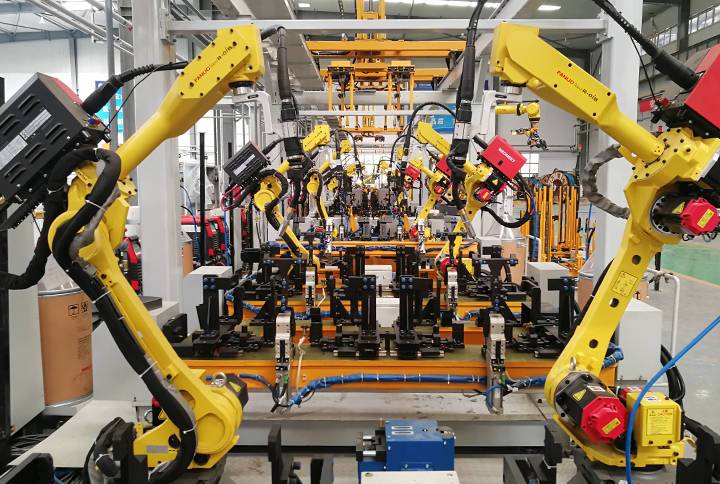
Answer: A welding automation integrator develops complete robotic welding solutions, including robot selection, fixture design, welding process development, control system integration, installation, and commissioning. The objective is to deliver a turnkey welding production system rather than simply supplying a robot.
Answer: Most robotic welding projects require between 6 and 12 weeks from engineering design to final commissioning. Complex automated welding lines may require additional time depending on project scope.
Answer:Absolutely. Robotic welding systems are widely used in structural steel, construction machinery, truck manufacturing, agricultural equipment, trailer production, pressure vessels, and many other industries. Every solution can be tailored to specific products and production targets.
Answer:Yes. Experienced welding automation integrators typically send engineers to customer facilities for installation, commissioning, operator training, and production optimization. This ensures the welding system reaches expected performance levels quickly.
Answer:A robot supplier mainly provides robotic equipment, while a welding automation integrator delivers a complete production-ready solution that includes fixtures, welding technology, software integration, safety systems, and production line coordination.
Answer:Fixture design directly affects part positioning accuracy, weld consistency, and overall production efficiency. In many welding projects, fixture quality has a greater impact on final welding results than the robot brand itself.
 TAG:
TAG: We value your message!
Please fill the below, We will customized the solution to your needs.