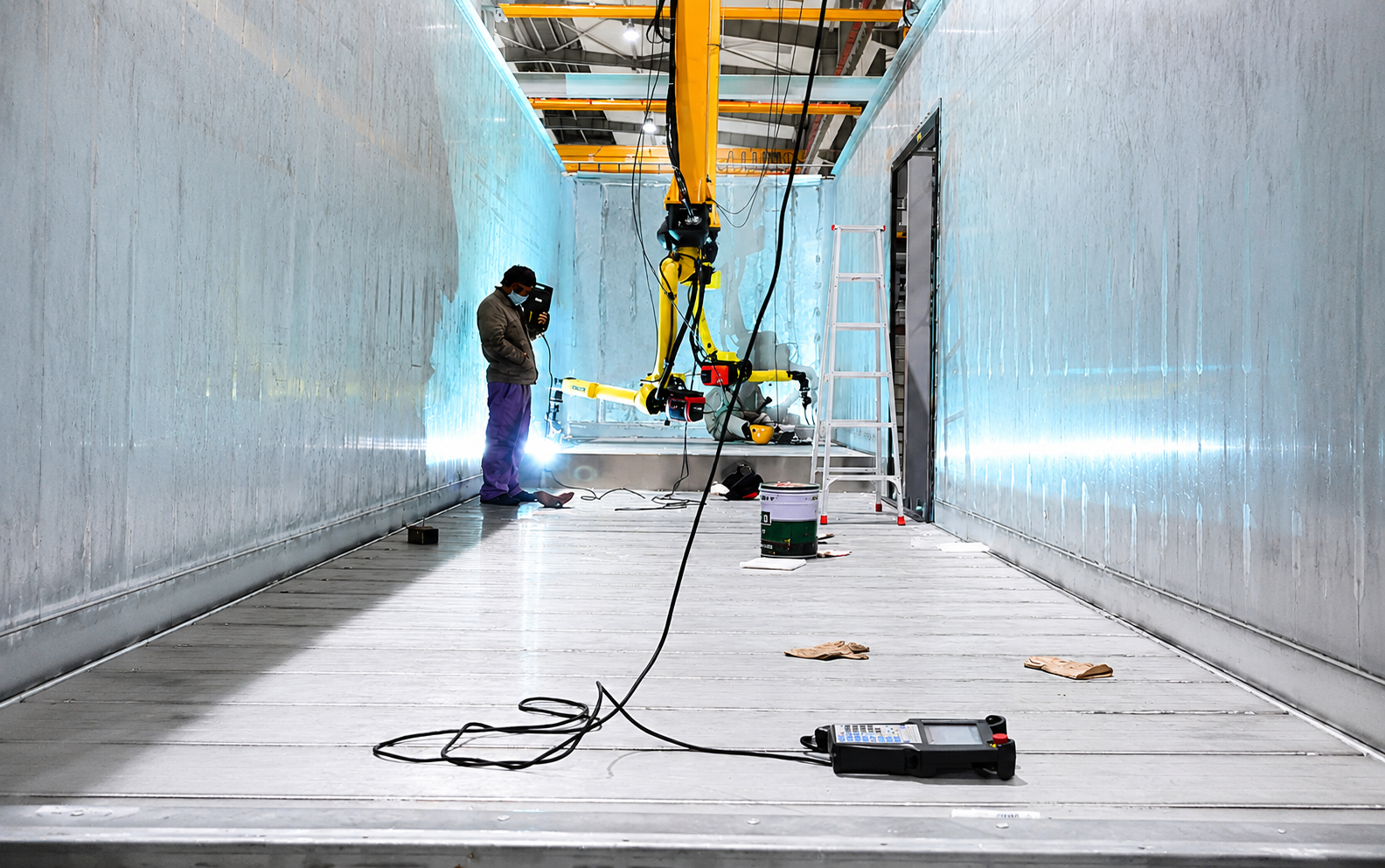
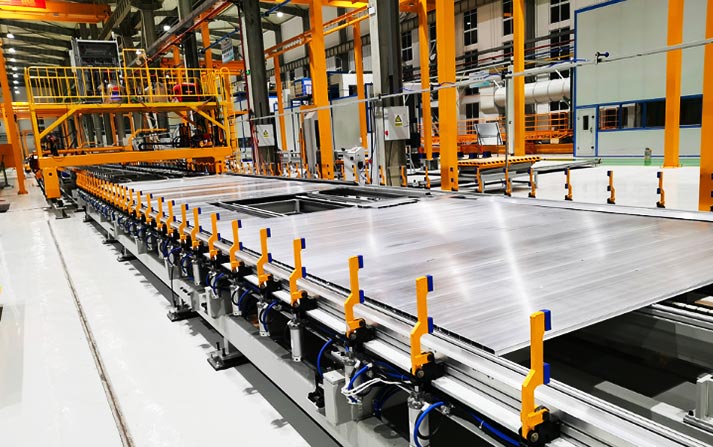
Stock Code: 831045
Industrial Automation & Intelligence Solutions
SUMMERY: Manufacturers around the world are under increasing pressure to produce more, maintain higher quality standards, and control production costs. At the same time, skilled welders are becoming harder to find, while customers expect faster d...
Manufacturers around the world are under increasing pressure to produce more, maintain higher quality standards, and control production costs. At the same time, skilled welders are becoming harder to find, while customers expect faster delivery and greater consistency. These challenges are driving the rapid adoption of robotic welding, welding automation, and broader manufacturing automation solutions.
Today, companies of all sizes are discovering that investing in robotic welding is no longer a luxury—it is becoming a competitive necessity.
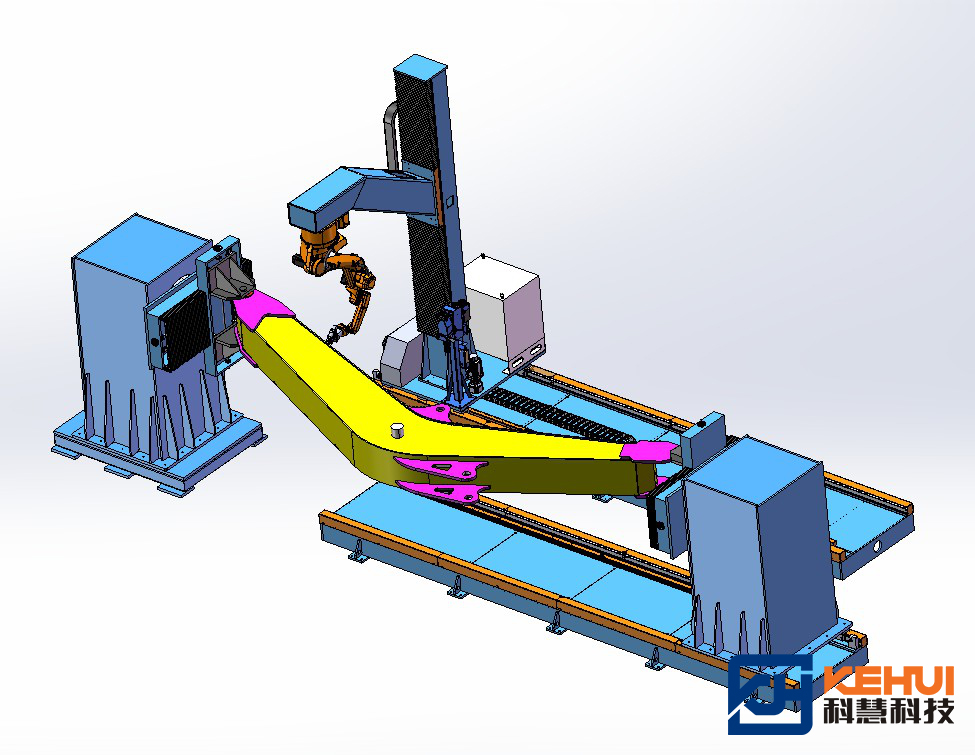
Modern factories face several common challenges: labor shortages, rising wages, production bottlenecks, and increasing quality requirements. To address these issues, many manufacturers are accelerating their manufacturing automation strategies.
Unlike traditional manual production methods, manufacturing automation enables companies to improve efficiency, reduce human error, and achieve more predictable production outcomes. In many industries, welding automation has become one of the first and most impactful steps toward full manufacturing automation.
As a result, more companies are turning to robotic welding systems to strengthen their production capabilities.
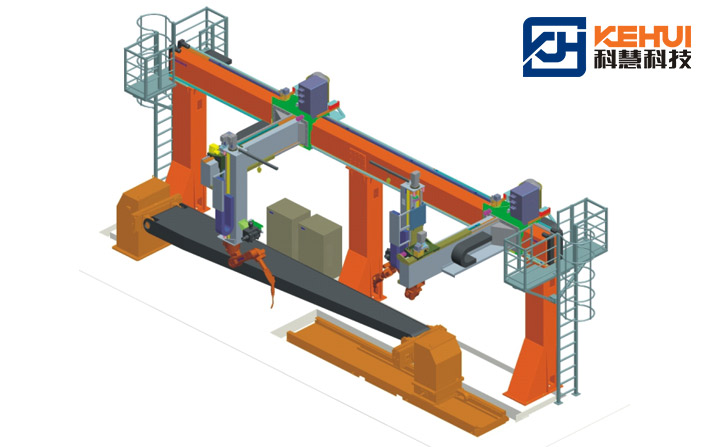
Years ago, robotic welding was primarily used by large automotive manufacturers with massive production volumes. Today, advances in technology have made robotic welding accessible to a much wider range of industries.
From construction machinery and agricultural equipment to medical devices and metal furniture, manufacturers are adopting robotic welding to improve weld consistency and increase production efficiency.
At the same time, welding automation technologies have become more flexible and cost-effective, making them suitable for both high-volume and medium-volume production environments.
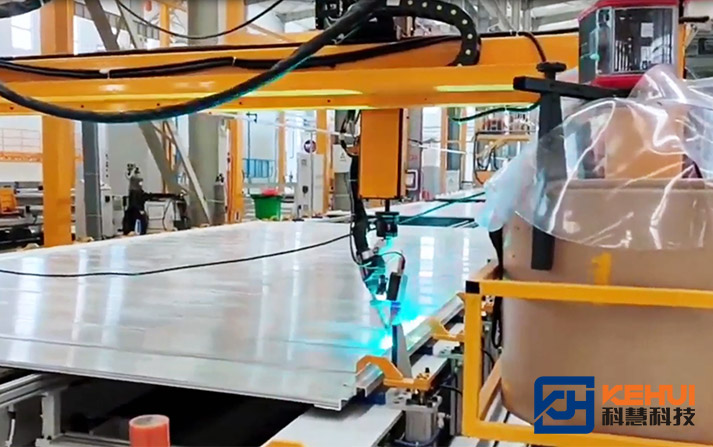
One of the biggest trends in modern fabrication is the growing use of the automated welding cell.
A traditional welding station often relies heavily on operator skill and experience. In contrast, an automated welding cell integrates industrial robots, welding equipment, fixtures, safety systems, and intelligent controls into a single production unit.
An automated welding cell can automatically position parts, execute precise welding programs, and maintain consistent weld quality throughout the production cycle. This helps manufacturers reduce rework, improve productivity, and lower labor dependency.
For companies beginning their automation journey, an automated welding cell is often the most practical starting point. As production requirements grow, multiple automated welding cell units can be connected to create larger automated systems.
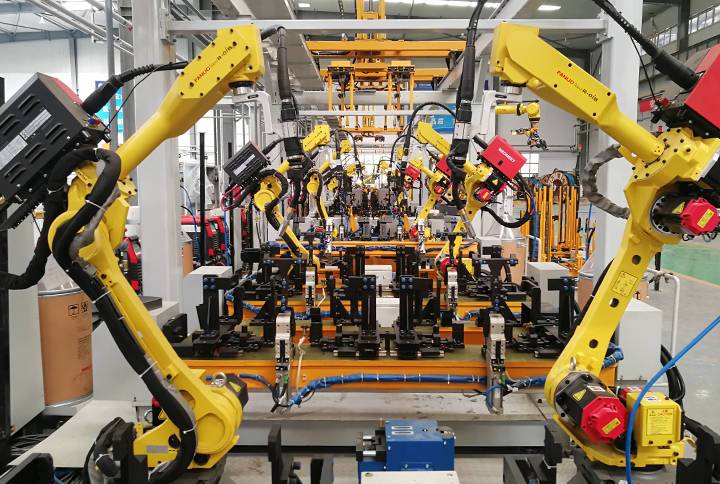
As manufacturers expand production capacity, many are moving beyond individual welding stations and investing in a complete robotic welding line.
A modern robotic welding line may include automated loading systems, robotic welding stations, transfer conveyors, positioners, quality inspection equipment, and unloading systems. This integrated approach allows products to move through the entire welding process with minimal manual intervention.
Compared with standalone workstations, a robotic welding line provides higher throughput, better production flow, and improved process consistency.
For industries with large production volumes, a robotic welding line can significantly reduce operating costs while improving overall manufacturing efficiency. This is one reason why the adoption of the robotic welding line continues to grow worldwide.
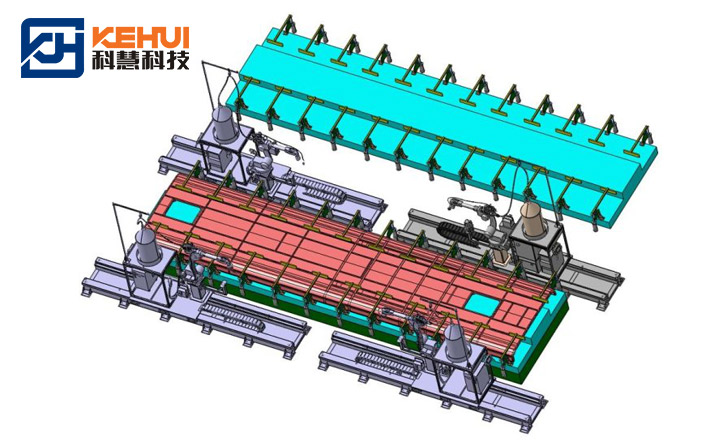
Automation projects involve much more than simply purchasing a robot. Successful implementation requires engineering expertise, process knowledge, system integration, and ongoing support.
This is why many companies choose experienced robotic welding cell manufacturers instead of assembling systems independently.
Professional robotic welding cell manufacturers understand how to design customized solutions based on specific products, production goals, and factory layouts. The best robotic welding cell manufacturers can optimize welding processes, improve equipment utilization, and reduce project risks.
In addition, leading robotic welding cell manufacturers typically provide installation, commissioning, operator training, and after-sales support, ensuring customers achieve maximum value from their investment.
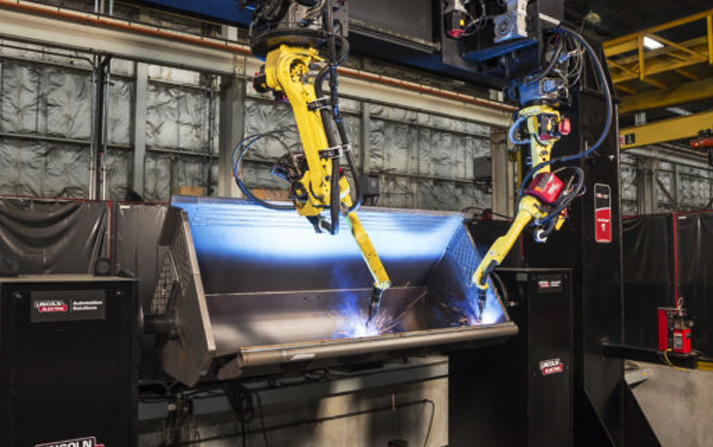
For many manufacturers, welding automation is not just about reducing labor costs. It is also about creating a more scalable and sustainable production model.
By implementing welding automation, companies can improve quality consistency, increase production capacity, and collect valuable production data. These advantages become even more significant when welding automation is integrated into a broader manufacturing automation strategy.
As factories continue to adopt digital technologies, manufacturing automation and intelligent production systems will become increasingly important for maintaining competitiveness.
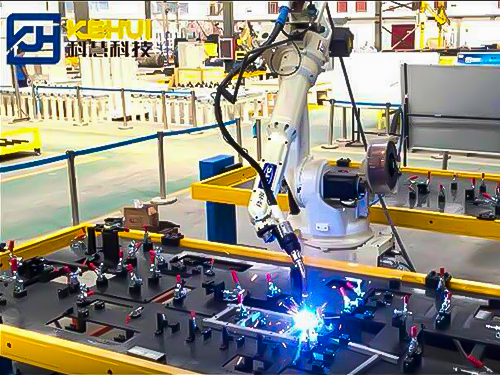
Today, robotic welding solutions are widely used across multiple industries.
Manufacturers use robotic welding line systems to produce excavator buckets, booms, frames, and heavy structural components with consistent quality.
An automated welding cell helps medical equipment manufacturers achieve high-precision welds while maintaining production efficiency.
Automotive suppliers rely on robotic welding line solutions to support high-volume production and strict quality requirements.
Advanced welding automation systems improve welding consistency while reducing labor intensity in large-scale fabrication projects.
When evaluating automation suppliers, manufacturers should focus on experience, customization capability, technical support, and industry expertise.
Reliable robotic welding cell manufacturers should be able to provide complete solutions rather than individual pieces of equipment. They should also offer training programs, commissioning services, and long-term technical support.
As demand for robotic welding, automated welding cell solutions, and complete robotic welding line systems continues to increase, selecting the right partner becomes a critical factor in project success.
The future of manufacturing belongs to companies that embrace innovation and efficiency. By investing in robotic welding, welding automation, and comprehensive manufacturing automation strategies, manufacturers can improve productivity, enhance weld quality, and remain competitive in a rapidly changing market.
Whether through a single automated welding cell or a fully integrated robotic welding line, automation is transforming the way products are manufactured. As more companies seek complete automation solutions, experienced robotic welding cell manufacturers will play an increasingly important role in helping manufacturers achieve their production goals.
 TAG:
TAG: We value your message!
Please fill the below, We will customized the solution to your needs.