Stock Code: 831045
Industrial Automation & Intelligence Solutions
SUMMERY: Why Electrolyte Drums Are Difficult to Clean In the lithium battery manufacturing process, electrolyte drums present a unique cleaning challenge. The electrolyte contains LiPF₆ (lithium hexafluorophosphate), which readily absorbs moistu...
In the lithium battery manufacturing process, electrolyte drums present a unique cleaning challenge. The electrolyte contains LiPF₆ (lithium hexafluorophosphate), which readily absorbs moisture from the air. Once hydrated, it decomposes into hydrofluoric acid (HF) and other corrosive byproducts. This reaction not only damages drum interiors but also creates hazardous working conditions. Therefore, understanding how to clean chemical drums that have held electrolyte is not optional—it is a safety and quality necessity.
Many plant engineers initially search for a standard IBC tank cleaning machine, only to find that ordinary washers cannot handle LiPF₆ crystallization. The residue tends to form hard, crusty layers that resist low‑pressure rinsing. Additionally, any remaining moisture inside the drum will react with fresh electrolyte later, causing batch contamination. This is why electrolyte drum cleaning requires a system that combines chemical dissolution, mechanical impact, and strict humidity control.
Neglecting proper electrolyte drum cleaning introduces three distinct risks:
Corrosion – HF attacks stainless steel, aluminum, and even some polymer coatings. Over time, pitting and stress cracking make drums unusable.
Cross‑contamination – Leftover electrolyte residues alter the chemical composition of the next batch, potentially leading to battery performance issues or safety failures.
Operator safety – Manual cleaning exposes workers to HF, organic solvents, and flammable vapors. Inhalation or skin contact can cause serious injuries.
These risks push manufacturers to seek reliable custom tank cleaning systems that can adapt to their specific drum sizes, residue levels, and production volumes. Generic solutions simply do not work for how to clean chemical drums containing LiPF₆.
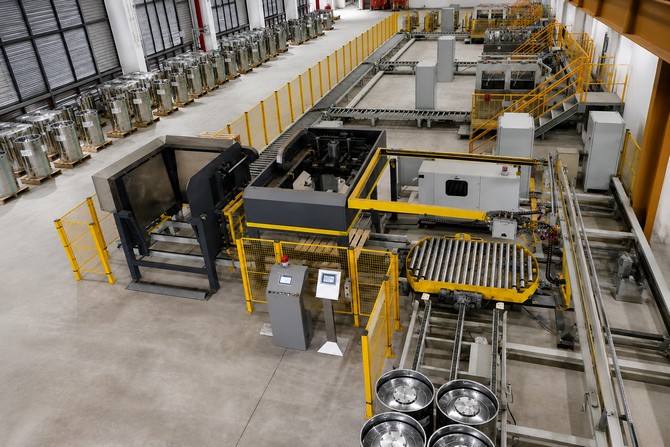
Traditional manual cleaning of electrolyte drums typically involves the following steps: draining, rinsing with solvent, scrubbing with brushes or lances, and air drying. In practice, this approach has severe drawbacks:
Low consistency – Even experienced operators miss spots, especially around drum chimes, bottom welds, and lid gaskets.
High labor intensity – One drum can take 20–30 minutes of continuous physical work, leading to fatigue and reduced quality by the end of a shift.
Safety incidents – Splashes, spills, and confined space entry are common. Many facilities report near‑misses or actual chemical burns every year.
Solvent waste – Manual methods often use large quantities of DMC or other carbonates, with no recirculation, increasing both cost and environmental footprint.
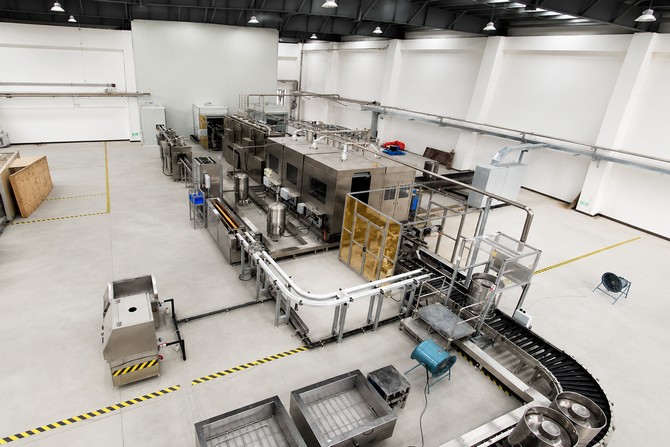
These limitations explain why battery material producers are switching to automated equipment. An IBC tank cleaning machine eliminates manual entry and delivers repeatable results. Similarly, custom tank cleaning systems can be designed to handle multiple drum types without changeover downtime.

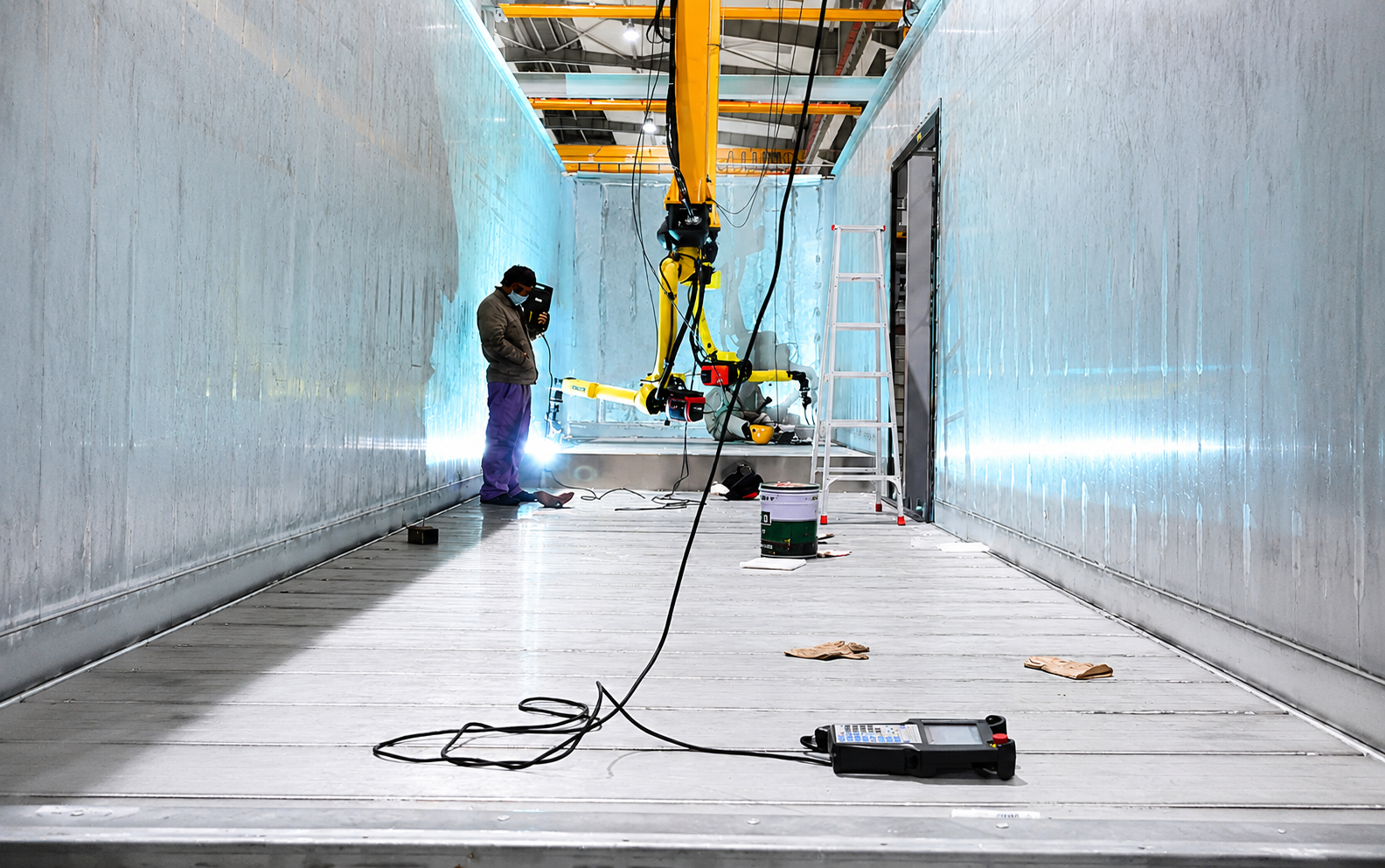
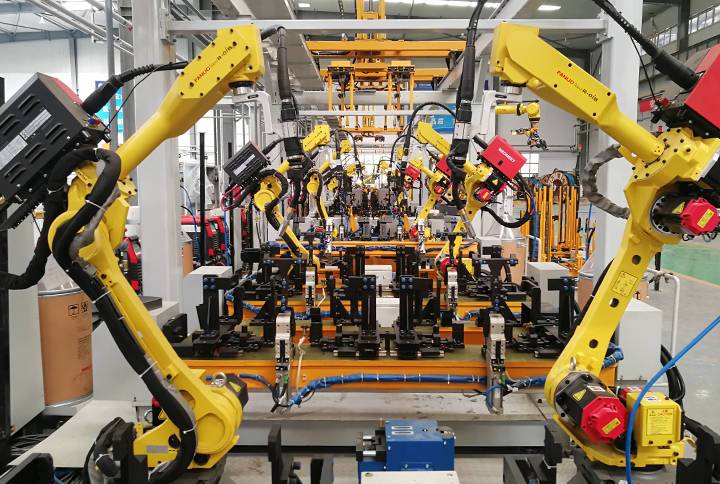
So, what is the modern answer to how to clean chemical drums in the lithium battery manufacturing process? Kehui has developed a fully automated cleaning line that uses a robotic manipulator inside a sealed chamber. The IBC tank cleaning machine first scans the drum interior with a laser sensor to map residue distribution. Then, a 5‑axis robotic arm inserts a high‑pressure nozzle that follows a pre‑computed path, covering every square centimeter.
For facilities with unique requirements, Kehui offers custom tank cleaning systems that can include solvent recovery distillation, multi‑language HMI, and integration with factory MES. These custom tank cleaning systems have been deployed for both 200L steel drums and 1000L IBC totes, with changeover times under five minutes. The entire electrolyte drum cleaning process—from pre‑rinse to heated nitrogen drying—operates under a dry air or nitrogen blanket, maintaining dew point below -45°C.
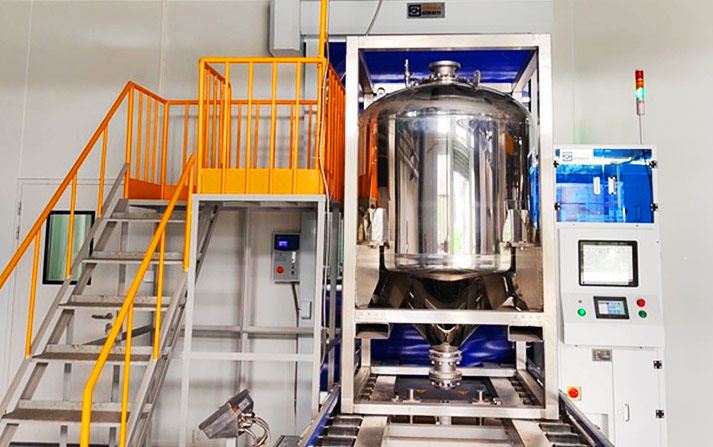
Three core technologies make Kehui’s IBC tank cleaning machine effective for electrolyte applications:
Corrosion‑resistant construction – All wetted parts are made from PTFE‑lined 316L or Hastelloy C22. No exposed metal contacts the cleaning fluid, eliminating pitting and galvanic corrosion. Seals are perfluoroelastomer (FFKM) rated for aggressive solvents.
Robotic precision – The robotic arm carries a real‑time pressure sensor. If impact force drops below a set threshold (indicating a thick crust), the robot slows down and increases pressure automatically. This adaptive behavior ensures that how to clean chemical drums is solved dynamically, not by a fixed timer.
Integrated safety – The wash chamber remains sealed during operation. Dual interlock doors prevent opening while the robot is moving. An exhaust scrubber captures VOC and acidic vapors, and a dew point monitor triggers an alarm if humidity exceeds -40°C. Operators control everything from a remote panel, with no confined space entry.
These technologies also apply to custom tank cleaning systems, where Kehui can add features like automatic drum indexing, barcode reading for batch traceability, and remote diagnostic support.
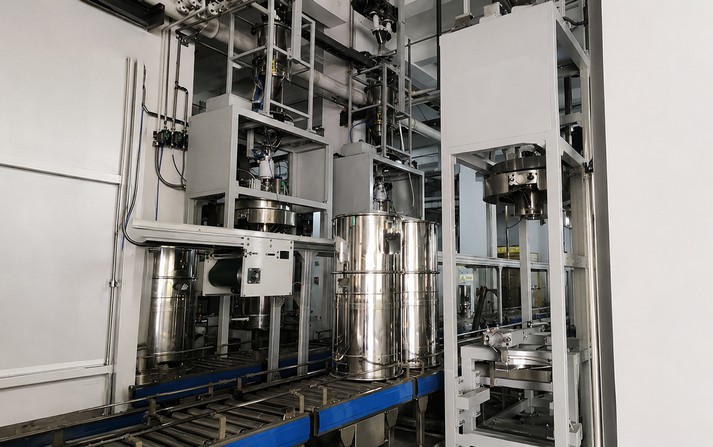
Shinghwa (stock code 603026), a global leader in carbonate solvents with over 40% market share, faced a similar cleaning challenge for its IBC totes and drums. The company produces high‑purity DMC, EMC, and EC, which are then shipped to electrolyte formulators. Returning containers often contain residual solvent mixtures and small amounts of LiPF₆ from customer blending operations.
Shinghwa needed to clean 300+ IBC totes per day without cross‑contamination. After evaluating multiple suppliers, they selected Kehui’s IBC tank cleaning machine with a robotic arm and closed‑loop solvent recovery. Key results after deployment:
Cleaning cycle reduced from 22 minutes per tote (manual) to 6 minutes (automated)
Solvent consumption cut by 60% – The recirculation system reuses DMC up to eight times before disposal
Operator exposure eliminated – No manual entry or lance handling
Throughput tripled – A single machine handles the entire daily volume in one shift
Shinghwa has since ordered additional custom tank cleaning systems for its new production site, standardizing on Kehui’s robotic technology. This real‑world case proves that how to clean chemical drums in the lithium battery manufacturing process can be solved reliably and economically.
Effective electrolyte drum cleaning is essential for any facility involved in the lithium battery manufacturing process. Understanding how to clean chemical drums containing LiPF₆ means moving beyond manual methods to automated, corrosion‑resistant solutions. An IBC tank cleaning machine with robotic control and closed‑loop solvent recovery delivers consistent cleanliness, reduces labor costs, and eliminates safety risks. For plants with unique container types or throughput requirements, custom tank cleaning systems offer tailored performance.
Kehui has helped industry leaders like Do‑Fluoride and Shinghwa transform their drum cleaning operations. If your facility is struggling with manual cleaning or planning to scale up, contact Kehui for a free consultation. We will analyze your residue types, container volumes, and facility layout, then provide a proposal for the right IBC tank cleaning machine or custom tank cleaning systems.
Get in touch: Email [email protected] or visit our website to request a case study or a live online demo.
 TAG:
TAG: We value your message!
Please fill the below, We will customized the solution to your needs.