Stock Code: 831045
Industrial Automation & Intelligence Solutions
SUMMERY: 1. Why LiPF₆ Electrolyte Is Hazardous LiPF₆ is the standard conductive salt in lithium‑ion batteries, but it decomposes upon contact with moisture, releasing hydrofluoric acid (HF). HF corrodes equipment, contaminates electrolyte, and e...
LiPF₆ is the standard conductive salt in lithium‑ion batteries, but it decomposes upon contact with moisture, releasing hydrofluoric acid (HF). HF corrodes equipment, contaminates electrolyte, and endangers workers. Therefore, any facility working with this material must adopt automated electrolyte filling and rigorous cleaning protocols.

Manual filling is too risky. Automated electrolyte filling systems operate inside sealed chambers with inert gas purging, real‑time leak detection, and precision dosing. A typical electrolyte filling line includes vacuum‑assisted nozzles, PLC control, and multi‑stage filling (fast then drip) to achieve ±0.05% accuracy. Whether for lab‑scale or gigafactory production, an electrolyte filling line ensures consistent results without exposing operators to hazardous fumes. For high‑volume operations, automated electrolyte filling reduces waste and improves throughput by over 50% compared to semi‑manual methods. Many battery manufacturers now require automated electrolyte filling as a standard for new production lines.
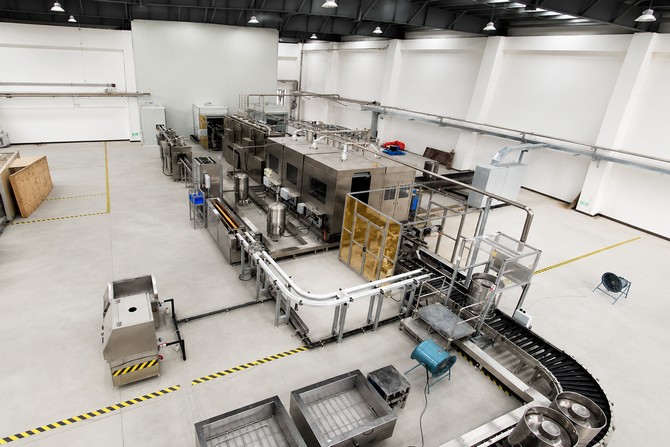
Empty drums and IBC totes that have held LiPF₆ electrolyte must be thoroughly cleaned before reuse. Leftover residues attract moisture and form HF, which pits container walls and contaminates the next batch. This is where IBC tank cleaning equipment becomes critical.
Specialized IBC tank cleaning equipment uses PTFE‑lined or Hastelloy components to resist acid attack. A high‑pressure rotating nozzle (5–500 bar) removes crystallized deposits in 2–6 minutes per container. The best IBC tank cleaning equipment integrates with LiPF6 automated cleaning systems that recirculate cleaning fluid, filter particulates, and dry containers with heated nitrogen. A complete cleaning system for electrolyte containing LiPF6 also captures solvent vapors and logs cycle data for quality audits.
LiPF6 automated cleaning eliminates manual entry into drums, cutting labor by 75% and preventing HF exposure. When paired with IBC tank cleaning equipment, a cleaning system for electrolyte containing LiPF6 can be configured as a mobile unit or a fixed multi‑station booth. For facilities cleaning hundreds of totes daily, investing in IBC tank cleaning equipment pays back within 6–9 months.
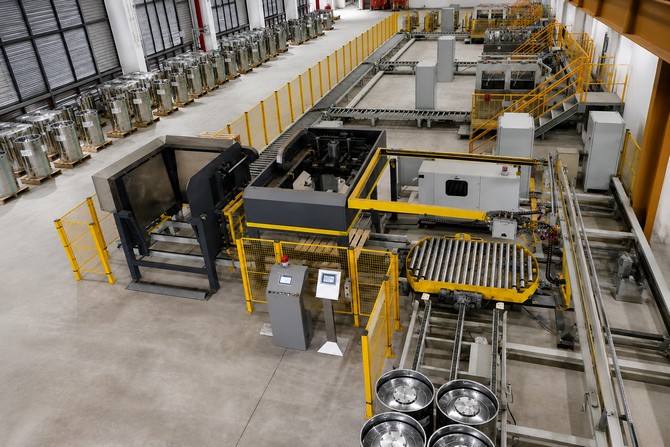
A safe LiPF₆ electrolyte handling operation combines automated electrolyte filling and IBC tank cleaning equipment into one seamless workflow:
Incoming dirty containers → IBC tank cleaning equipment runs a pre‑programmed LiPF6 automated cleaning cycle (pre‑rinse, caustic wash, acid neutralization, DI rinse, nitrogen dry).
Clean, dry containers → moved to the electrolyte filling line.
Automated electrolyte filling → sealed nozzle fills under nitrogen blanket; final weight checked by load cell; cap tightened automatically.
This integrated approach eliminates cross‑contamination, reduces solvent consumption by 50–60%, and lowers labor costs. Moreover, a modern electrolyte filling line can handle both 200L drums and 1,000L IBC totes with tool‑free changeover, while IBC tank cleaning equipment adapts to the same container range.
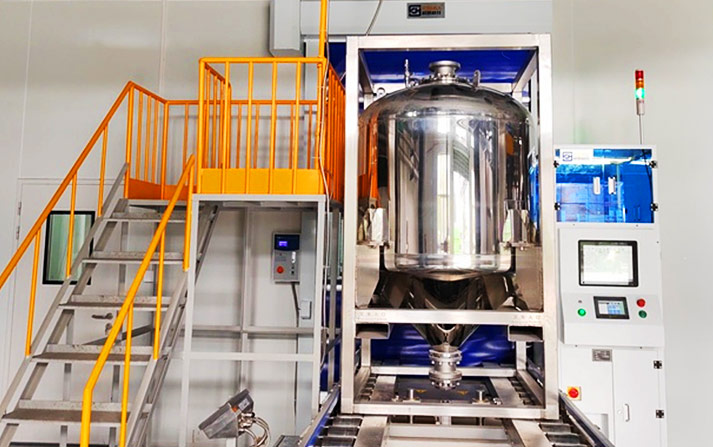
Do‑Fluoride, a top LiPF₆ producer, struggled with manual cleaning of hundreds of drums daily. Kehui installed a robotic cleaning system for electrolyte containing LiPF6 plus an electrolyte filling line for their new plant. The IBC tank cleaning equipment reduced cleaning time from 18 to 5 minutes per drum, and LiPF6 automated cleaning cut solvent use by 54%. Labor dropped from 4 to 1 operator per shift, with zero HF incidents. This case proves that automated electrolyte filling and proper cleaning go hand‑in‑hand.
Safe handling of LiPF₆‑based electrolyte requires automated electrolyte filling, robust IBC tank cleaning equipment, and a purpose‑built electrolyte filling line. Adding LiPF6 automated cleaning and a complete cleaning system for electrolyte containing LiPF6 ensures container hygiene, worker safety, and consistent product quality.
Contact Kehui today to discuss your electrolyte filling and cleaning needs.
 TAG:
TAG: We value your message!
Please fill the below, We will customized the solution to your needs.