Stock Code: 831045
Industrial Automation & Intelligence Solutions
SUMMERY: 1. Why Is Quenching Important in Steel Heat Treatment? Quenching is a critical stage in steel heat treatment. After heating and holding steel at a specified temperature, the workpiece is rapidly cooled to obtain the required microstruct...
Quenching is a critical stage in steel heat treatment. After heating and holding steel at a specified temperature, the workpiece is rapidly cooled to obtain the required microstructure and mechanical properties.
The cooling behavior of the quenching medium affects the steel quenching process, including hardening response, distortion risk and the possibility of cracking. However, faster cooling does not always mean better results. The appropriate cooling conditions depend on steel grade, component geometry and the required properties.
For manufacturers handling large forgings and industrial components, monitoring quenching medium performance helps maintain more consistent heat treatment conditions.
[Image 1 – Insert below this section]
Image subject: Industrial steel forgings undergoing heat treatment or quenching.
Suggested ALT: Steel forging heat treatment and industrial quenching process
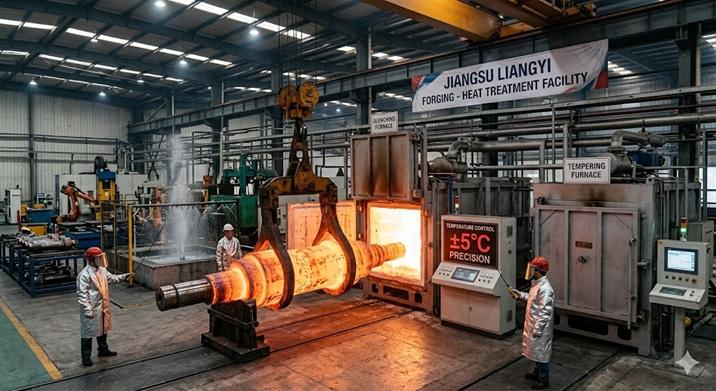
Different materials and component sizes require different quenching conditions. A suitable forging heat treatment process must consider both material characteristics and the cooling capacity of the selected medium.
Large steel forgings, shafts and heavy-duty components often have considerable cross-sectional dimensions. Their surfaces and cores may cool at different rates.
In forging heat treatment, selecting an appropriate quenching medium and controlling the process are important for reducing inconsistent cooling and managing distortion risks.
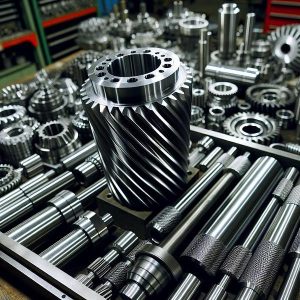
Alloy steel quenching requires consideration of alloy composition, hardenability and component dimensions. Different alloy steels respond differently to cooling conditions.
Testing the cooling characteristics of the quenching oil provides useful reference data when evaluating the steel quenching process and investigating changes in production results.
In tool steel heat treatment, cooling requirements vary according to the steel grade and intended application. Excessively aggressive cooling may increase the risk of cracking or distortion in some components.
For broader industrial metal heat treatment applications, process engineers should select cooling conditions based on material specifications rather than simply pursuing the highest cooling rate.
[Image 2 – Insert below this section]
Image subject: Alloy steel gears, shafts or other industrial steel components.
Suggested ALT: Alloy steel components for industrial metal heat treatment
The cooling characteristics of a quenching medium influence heat extraction from the workpiece. Important curve features include maximum cooling rate, the temperature at which it occurs, and cooling behavior across different temperature ranges.
These characteristics help engineers understand quenching medium performance and compare changes in the medium over time.
For example, a change in the cooling curve may indicate that the quenching oil has aged, become contaminated or experienced different operating conditions. However, the curve alone cannot determine the final hardness or microstructure of a steel component.
In practical steel heat treatment, material composition, heating temperature, holding time, part geometry and agitation conditions must also be considered.
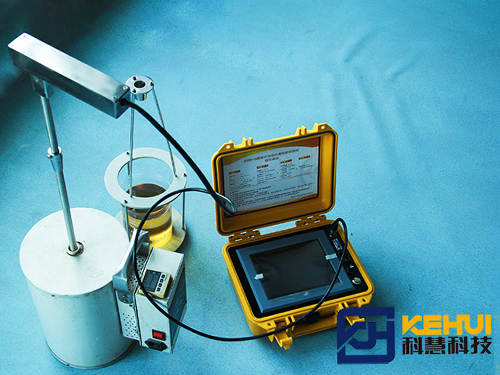
Cooling curve testing provides measurable data for evaluating quenching media under defined test conditions. It is useful when comparing oil samples, checking performance changes and supporting process investigations.
A quenchometer records the temperature change of a standardized probe during cooling. Engineers can analyze the resulting curve to identify maximum cooling rate and other characteristic points.
This approach supports quenching oil testing and helps establish reference data for routine quality control.
When evaluating the cooling performance of quenching oils and polymer quenchants, the test method must match the medium and applicable technical requirements.
Oil-based and polymer-based quenchants do not necessarily follow the same testing procedures. ASTM D6200 and ISO 9950 are relevant standards for quenching oil cooling characteristics testing; they should not be presented as universal test standards for polymer quenchants.
Regular cooling curve testing allows heat treatment facilities to compare current results with historical reference curves. Significant differences can trigger further investigation into oil condition, temperature, contamination or operating parameters.
[Image 3 – Insert below this section]
Image subject: A quenching oil cooling curve displayed on a quenchometer screen. Prefer a real KHR-A test screen or software screenshot.
Suggested ALT: Quenching oil cooling curve testing and analysis
For manufacturers performing forging heat treatment, alloy steel processing and tool steel heat treatment, a suitable testing instrument helps evaluate quenching oil characteristics under standardized conditions.
When comparing equipment, check its applicable testing standards, probe configuration, measurement functions, data presentation and operating procedure. A SmartQuench system may also appear in searches for cooling curve testing equipment, but buyers should compare the actual specifications and standards compliance of each instrument.
The KHR-A Quenchometer, manufactured by Zhengzhou Kehui Technology Co., Ltd., is designed for quenching medium cooling characteristics testing.
It provides cooling curve measurement and analysis to support quenching oil testing and process evaluation. The instrument fully complies with ASTM D6200 and ISO 9950. Its functions support the control of cooling curve measurement in heat treatment laboratories.
For clarity, these standards concern quenching oil testing; their compliance should not be interpreted as automatic validation for polymer quenchant testing.
[Image 4 – Insert below this section]
Image subject: Your actual KHR-A Quenchometer, preferably photographed in a laboratory or testing environment.
Suggested ALT: KHR-A Quenchometer for quenching oil cooling characteristics testing
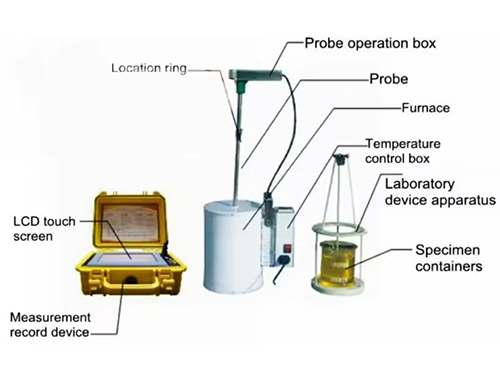
Testing helps manufacturers compare cooling characteristics, identify changes in oil performance and maintain reference data for heat treatment process management.
No. The appropriate cooling rate depends on steel composition, component size and the required properties. Excessively aggressive cooling may increase distortion or cracking risks.
No. A quenchometer measures the cooling characteristics of a quenching medium. Hardness requires separate testing equipment and procedures.
Yes. The KHR-A Quenchometer fully complies with ASTM D6200 and ISO 9950 for standardized quenching oil cooling characteristics testing.
Consistent quenching medium performance is an important consideration in steel forgings, alloy steel components and industrial metal heat treatment. Cooling curve testing provides useful data for evaluating quenching oil and investigating changes in its cooling behavior.
With standardized testing capabilities and cooling curve analysis, the KHR-A Quenchometer helps heat treatment laboratories monitor quenching oil characteristics and support more controlled production processes.
 TAG:
We value your message!
Please fill the below, We will customized the solution to your needs.